9 Container Vegetables Beginners Can Actually Grow in Small Spaces
Some vegetables settle happily into pots; others become thirsty, cramped disappointments. These nine beginner-friendly choices include the container size, sunlight, and upkeep each one needs, plus the drawbacks worth knowing before you buy seeds.
This page contains affiliate links — we may earn a commission at no extra cost to you. See our disclosure.
1. Grow cherry tomatoes in one deep pot
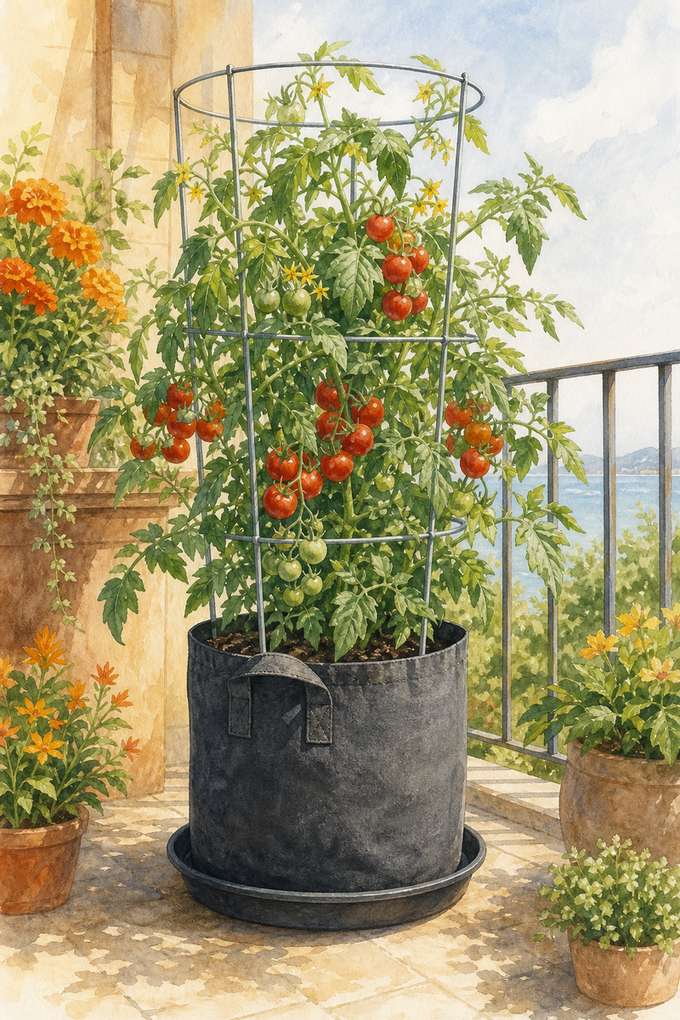
Cherry tomatoes give beginners a better return than full-size beefsteaks because compact plants set plenty of fruit without needing a raised bed. Put one determinate variety, such as Tiny Tim or Patio Choice Yellow, in a 5-gallon pot; an indeterminate Sungold needs closer to 10 gallons and a 5-foot cage. Tomatoes want 6 to 8 hours of direct sun and consistent watering, often daily during hot balcony weather. Use potting mix rather than heavy garden soil, and confirm that excess water can drain without dripping onto a neighbor. The catch is weight: a wet 10-gallon container can become awkward to move. Wind also snaps unsupported stems, so install the cage when planting, not after the plant starts leaning.
Product pick — a lightweight 10-gallon fabric grow bag
2. Cut loose-leaf lettuce from a shallow window box
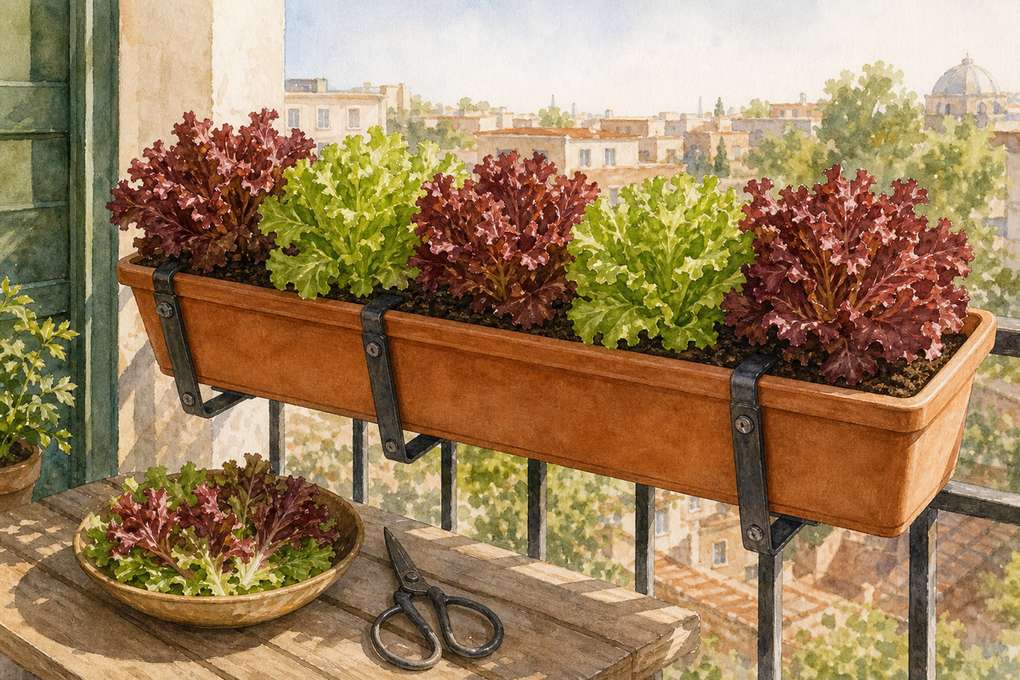
Loose-leaf lettuce is forgiving because you harvest the outside leaves instead of waiting for a perfect head. A window box 6 to 8 inches deep can hold several plants spaced about 6 inches apart; try Black Seeded Simpson, Salad Bowl, or a mixed baby-leaf packet. Give it 3 to 5 hours of morning sun, which makes lettuce useful on an east-facing balcony where tomatoes would sulk. Keep the mix evenly damp and start cutting when leaves reach 4 inches. Hot weather is the limitation. Once daytime temperatures stay around 80°F, many varieties turn bitter or bolt. Sow small batches every two weeks in spring, then pause during midsummer rather than fighting the season. Secure railing boxes with hardware approved by your building.
3. Plant radishes when you want a quick first harvest
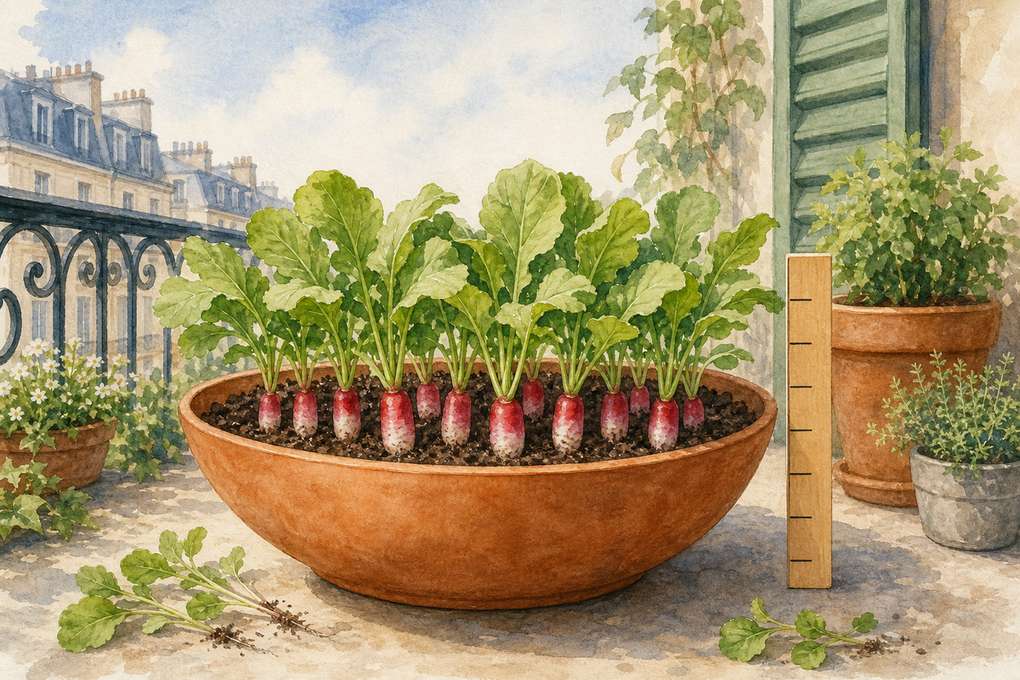
Radishes are a good confidence-building crop because many round varieties mature in roughly 25 to 35 days. Use a pot at least 6 inches deep and sow Cherry Belle or French Breakfast seeds about 1 inch apart, thinning them to 2 inches once seedlings appear. They manage with 4 to 6 hours of sun and take up little floor space, so a 12-inch bowl can produce a useful handful. The mistake is leaving them crowded or letting the pot dry out; either problem can produce woody roots and excessive heat. Pull one when the shoulder reaches its expected size rather than waiting for every plant. Radishes prefer cool spring and fall weather. In summer heat, grow something else in the same pot instead of expecting tender roots.
4. Give one pepper plant a warm 5-gallon home
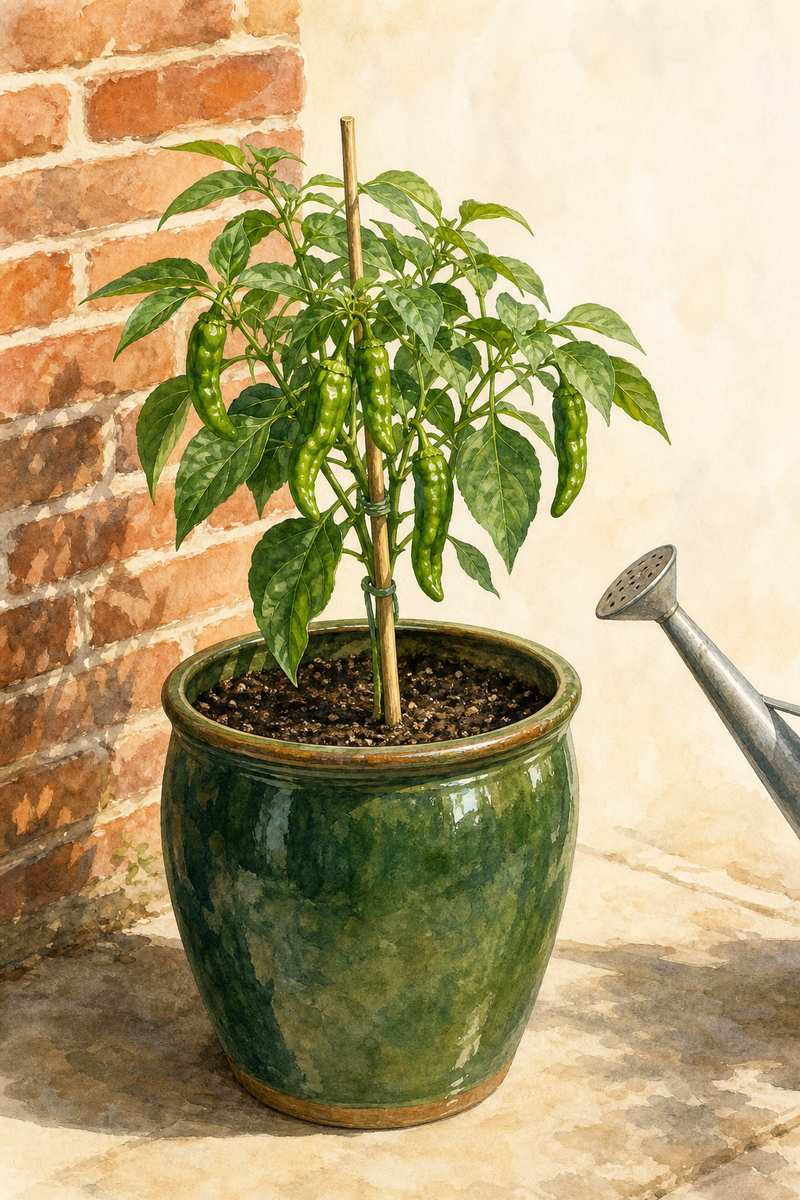
A single pepper plant fits neatly into a 5-gallon container and stays tidier than a sprawling squash vine. Compact varieties such as Lunchbox, Shishito, or Pot-a-peno work especially well near a sunny wall that holds daytime warmth. Plan on at least 6 hours of direct sun, though 8 is better for steady flowering. Let the top inch of potting mix dry before watering again; constantly soggy roots can stall the plant. Peppers grow slowly from seed, so a healthy nursery transplant is the easier first-year choice. Their downside is impatience: cool nights below about 55°F slow growth, and fruit may take much of the summer. Add a short stake before branches become loaded, and do not expect a worthwhile harvest on a shaded north-facing balcony.
5. Choose bush beans instead of climbing pole beans
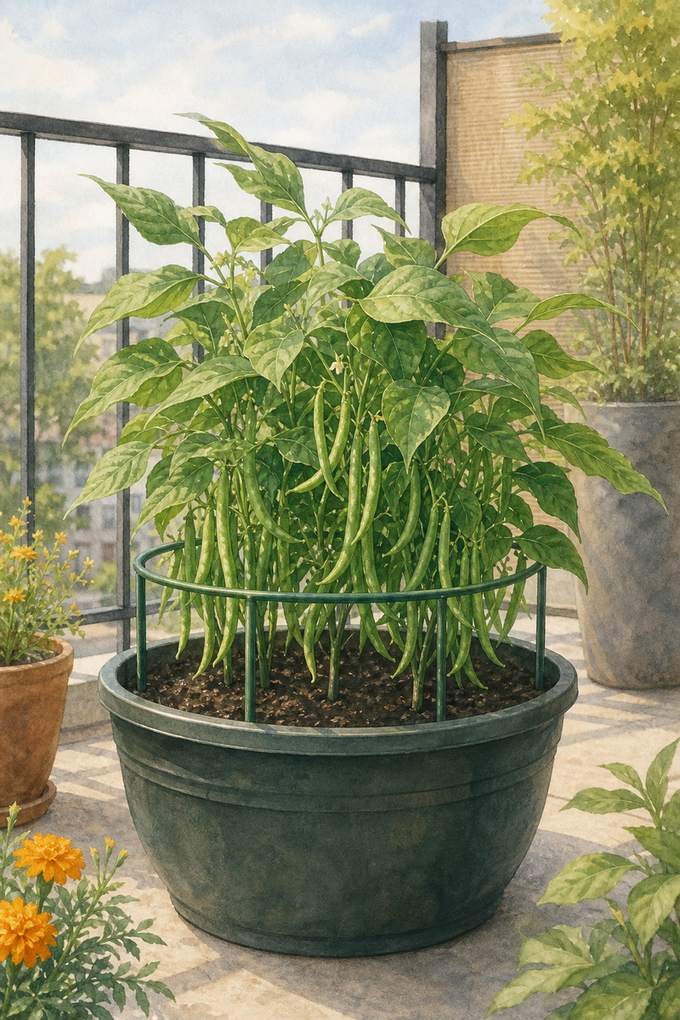
Bush beans produce without the tall trellis, drilling, or overhead string that renters may not be allowed to install. Sow a compact variety such as Provider or Mascotte in a container at least 8 inches deep, spacing seeds about 4 inches apart. A 16-inch-wide pot can usually support four plants if it receives 6 or more hours of sun. Pick pods every two or three days once production starts; overlooked beans become tough and tell the plant to slow down. Bush types still lean in strong wind, so a low ring support can help on an exposed balcony. The harvest comes in a concentrated flush rather than all season. For a longer supply, sow a second container three weeks after the first, assuming midsummer heat is not extreme.
6. Grow baby carrots in a container deep enough for roots
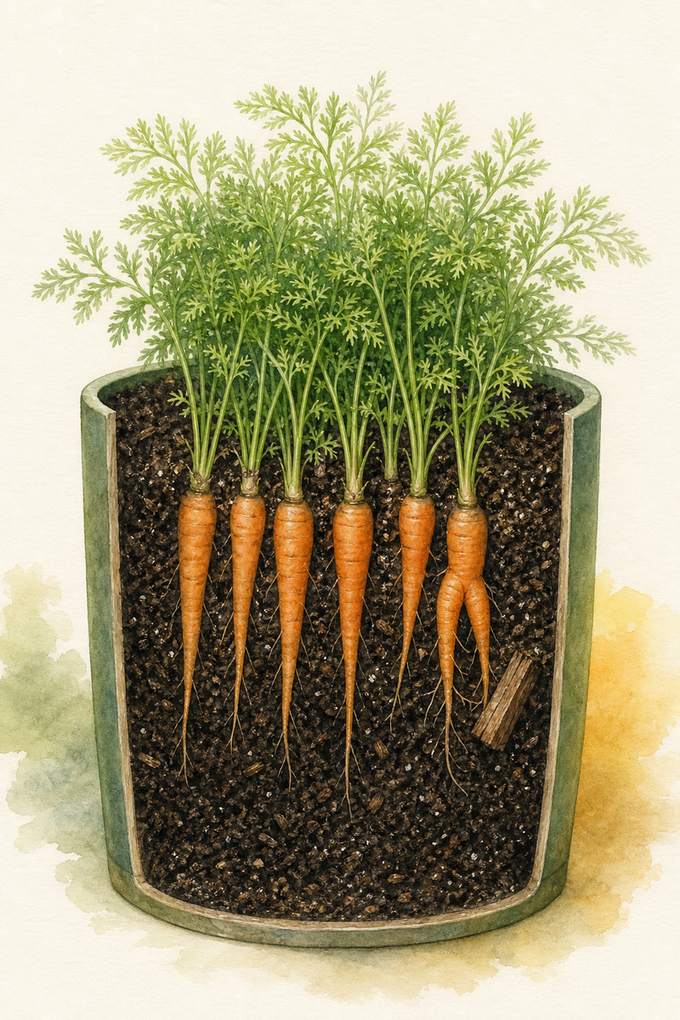
Short-rooted carrots can grow well in pots, but the container has to match the variety. Choose Parisian Market, Little Finger, or Thumbelina and use a vessel 10 to 12 inches deep; long Imperator carrots are far less forgiving in limited soil. Sow thinly, then reduce seedlings to about 2 inches apart with scissors so you do not disturb nearby roots. Carrots need at least 6 hours of sun and consistently damp soil while seeds germinate, which may take two weeks or longer. A crusty, dry surface is the usual reason a first sowing fails. The other trade-off is patience: roots are hidden, so check the seed packet's maturity date and pull one test carrot. Use loose potting mix without rocks or chunky wood pieces that can fork the roots.
7. Use a wide pot for cut-and-come-again Swiss chard
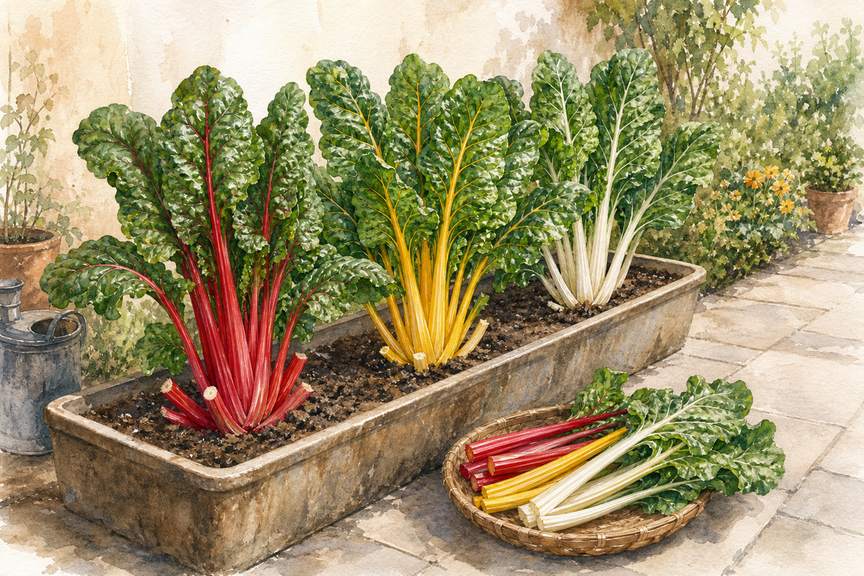
Swiss chard handles container life better than many leafy greens and keeps producing after individual outer stalks are cut. Plant one Bright Lights or Fordhook Giant in an 8-inch pot, or space three plants 8 inches apart in a wider trough. It grows best with 4 to 6 hours of sun and tolerates more summer warmth than lettuce, making it useful when spring salads have bolted. One mature plant can span 18 inches, so do not tuck it into a narrow walkway or crowd it with other vegetables. Chard is thirsty in shallow containers, and drooping leaves mean you waited too long. The honest downside is appearance: older leaves can become ragged or attract leaf miners. Remove damaged leaves promptly and harvest stalks before they grow oversized and fibrous.
8. Keep scallions in a narrow pot near the kitchen
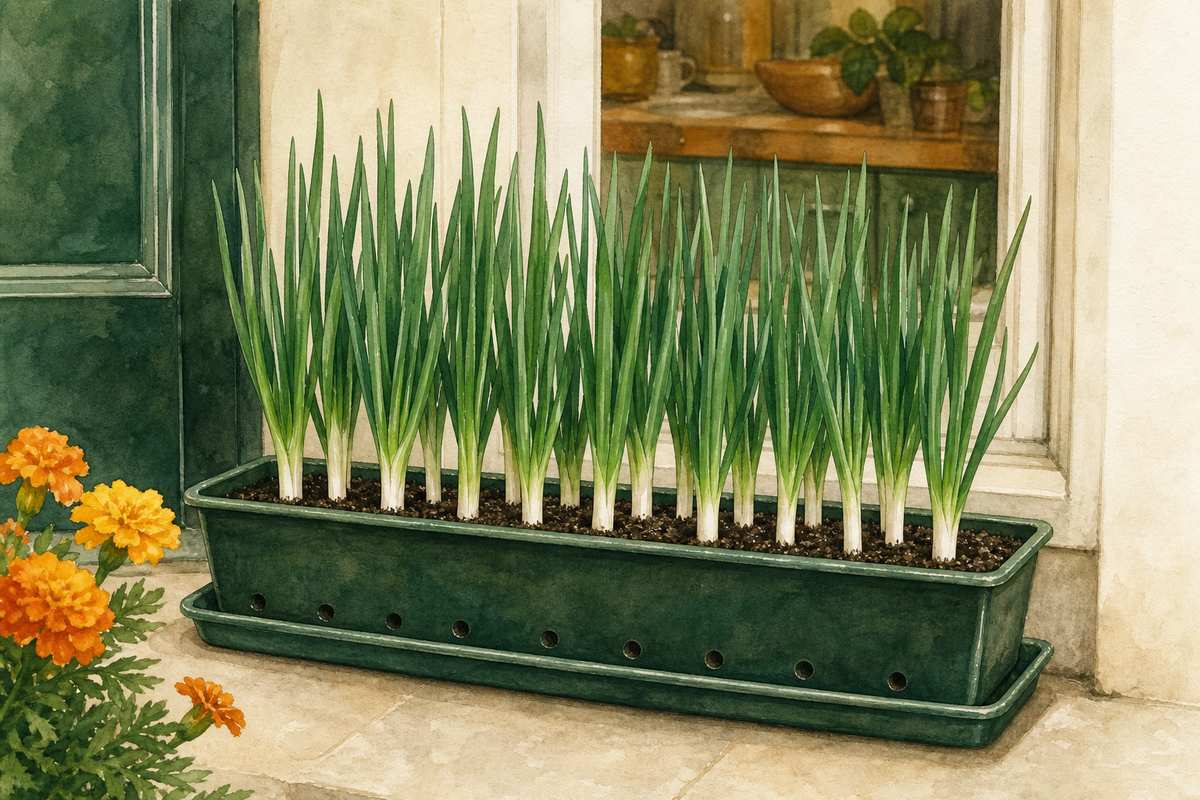
Scallions make sense when floor space is tight because their roots need only about 6 inches of soil and the plants can stand 1 to 2 inches apart. Sow Evergreen Hardy White or White Lisbon in a narrow rectangular planter, then harvest whole plants when stems reach pencil thickness. They will grow with 4 to 6 hours of sun, although growth slows in deep shade. A pot near the kitchen door is convenient, but check that opening the door will not crush the leaves. Scallions dislike bone-dry soil, yet they also rot in containers without drainage holes. Their yield is modest compared with store-bought bunches, so grow them for fresh snips rather than major savings. Sow another short row every three weeks to avoid harvesting the entire planter at once.
9. Try a patio cucumber only if you can add support
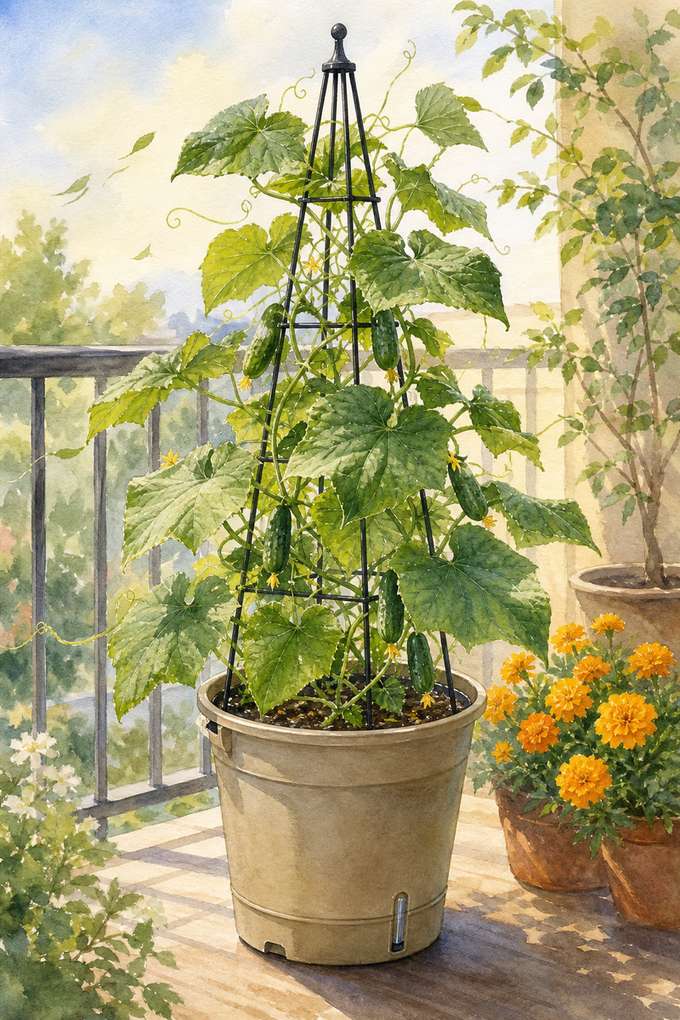
A compact cucumber earns its place when you want more than leafy crops, but it is the least hands-off choice here. Select Patio Snacker, Spacemaster, or another bush type and give one plant a 5-gallon pot plus a freestanding 3- to 4-foot trellis. It needs 6 to 8 hours of direct sun, warm weather, and reliably moist soil; a self-watering container can prevent bitter, misshapen fruit during hot weeks. Keep the trellis inside the pot so no drilling or railing attachment is required. Even bush cucumbers can spread beyond their label's promise, and broad leaves catch balcony wind. They may also need hand pollination if pollinators rarely visit your floor. Skip standard vining varieties unless you have substantially more room and landlord-approved support.
Product pick — a 5-gallon self-watering planter
Common questions
- How much weight can a balcony vegetable garden add?
- Wet potting mix, the container, water reservoir, and mature plant all count. A filled 5-gallon pot may weigh roughly 35 to 60 pounds depending on its material and mix, but balcony limits are building-specific. Ask your landlord, HOA, or building manager for the rated load, spread pots out, and keep the heaviest containers near structurally supported walls rather than clustering them at the railing.
- Can vegetables grow with only four hours of sun?
- Leaf lettuce, scallions, radishes, and Swiss chard can produce with about 4 hours of direct light, though growth will be slower. Fruiting crops such as tomatoes, peppers, beans, and cucumbers usually need at least 6 hours. Bright shade is not the same as direct sun, so watch where sunlight actually lands over one full day before buying plants.
- How often should container vegetables be watered?
- Check them daily by pushing a finger about 1 inch into the mix. Water thoroughly when that layer feels dry, stopping when water exits the drainage holes. A 5-gallon tomato may need daily water during hot, windy weather, while a larger self-watering planter may last several days. Never leave ordinary pots standing in full saucers after heavy rain.
- Which vegetables should beginners avoid in small containers?
- Full-size pumpkins, watermelons, sweet corn, and large winter squash demand more root room, support, or pollination than most balconies and patios provide. Standard potatoes are possible but require bulky containers and deliver a modest harvest for the soil volume. Start with compact varieties whose seed packets specifically mention patio, bush, dwarf, baby, or container growing.