9 Perennial Container Herbs for Zone 8 Renters Who Hate Replanting
Zone 8 winters are mild enough for many herbs, but roots in pots get colder than roots in the ground. These nine herbs can return for years with the right container, drainage, and a little protection during hard freezes.
1. Choose a cold-tough rosemary such as 'Arp'
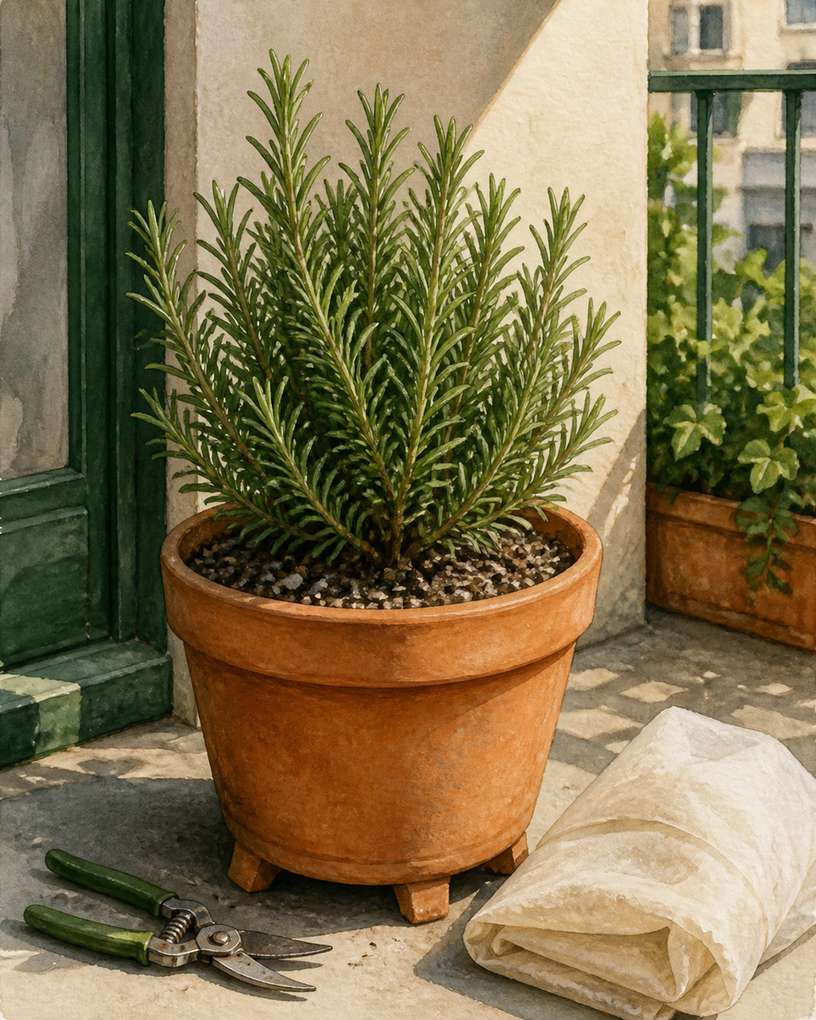
Rosemary gives you year-round sprigs without taking over the patio, but cultivar choice matters near the cold edge of its range. 'Arp' and 'Hill Hardy' tolerate colder weather better than many grocery-store plants. Give one plant a 12- to 14-inch pot with several drainage holes and a gritty mix amended with perlite or fine pine bark. Six hours of direct sun is ideal. The catch is winter: a container exposes roots to colder air than garden soil does. When temperatures are forecast below about 20°F, slide the pot against a sheltered wall or into an unheated garage. Rosemary resents wet roots more than brief dryness, so empty its saucer after winter rain.
2. Edge a shallow pot with English thyme
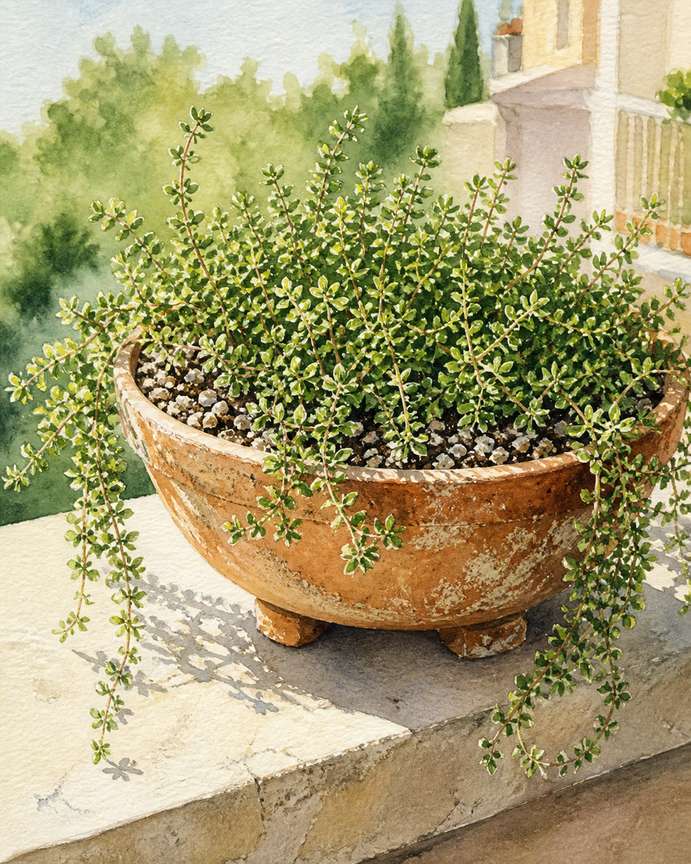
English thyme stays low, handles missed waterings, and needs less soil than most woody herbs. A container about 8 inches deep and 10 to 12 inches wide can support one mature plant, provided water can leave freely. Set it where it receives at least 5 hours of sun; weak light produces long, sparse stems instead of dense growth. Thyme usually handles Zone 8 cold, but soggy winter mix can kill it before frost does. Mix standard potting soil with roughly one-third perlite or pumice, and skip the self-watering reservoir. Trim the soft tips for cooking while leaving the woody base intact. After several years, the center may become bare, so root a few cuttings before replacing the old plant.
3. Keep Greek oregano in its own pot
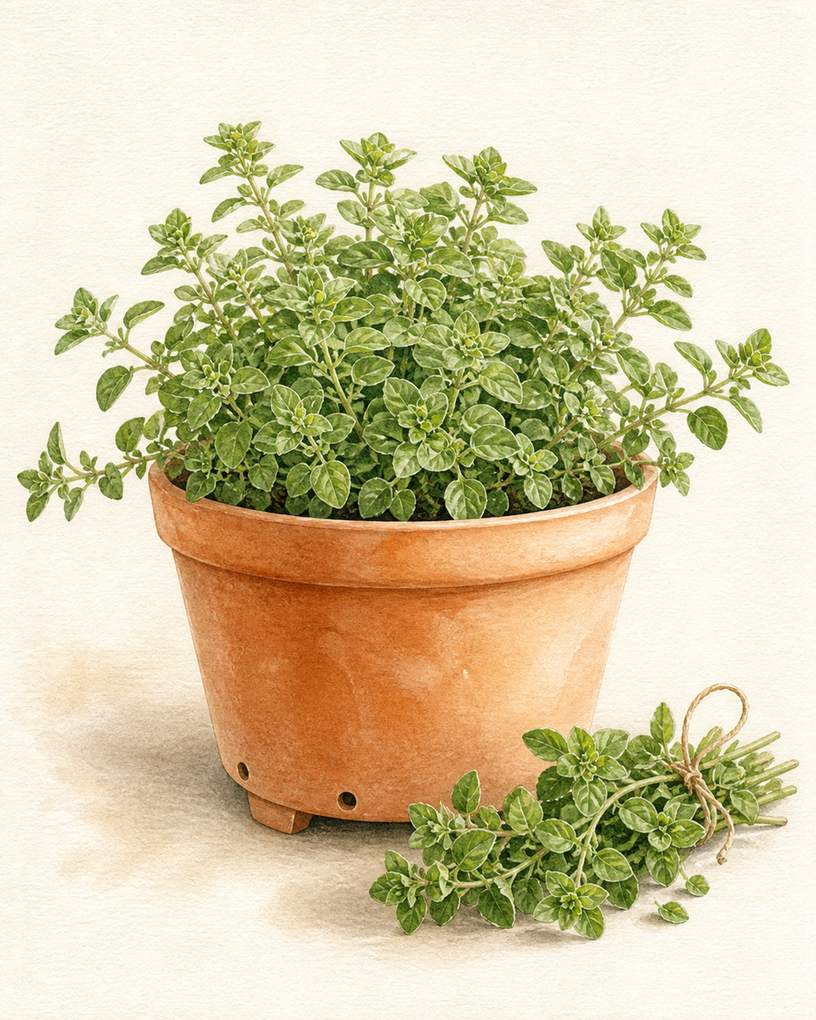
Greek oregano earns its space with stronger flavor than mild ornamental types, and one plant can supply plenty for a small kitchen. Use a 10- to 12-inch pot in 6 or more hours of sun. Do not tuck it beside slower herbs: its spreading stems root where they touch soil and can crowd thyme or sage within a season. Harvest by cutting stems back to 3 or 4 inches before flowering, then let fresh leaves regrow. Established oregano tolerates some drought, while constantly damp mix leads to yellow leaves and weak flavor. It is generally winter-hardy in Zone 8, though an exposed balcony can be harsher than a yard. Raise the pot on feet so cold rain cannot block the drainage holes.
4. Grow compact garden sage for a long-lived harvest
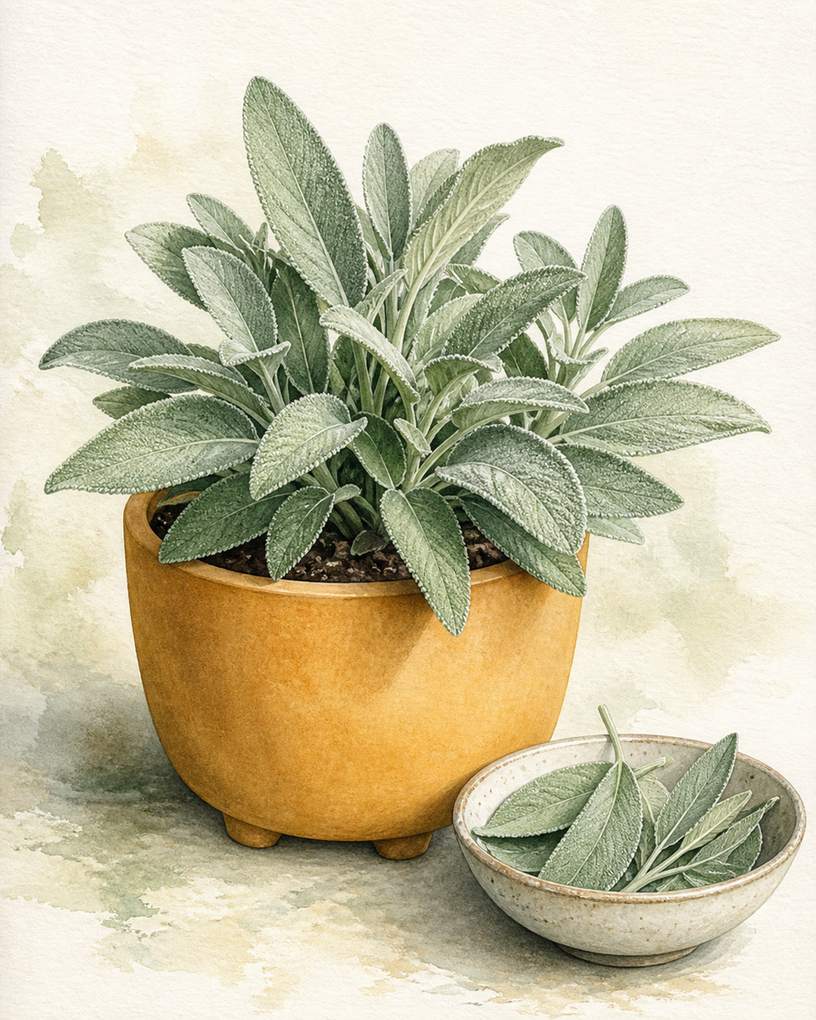
Garden sage forms a small woody shrub, so it fits a renter's patio better than its mature size in the ground might suggest. Start with one plant in a 12-inch container and move it to a 14- or 16-inch pot after roots fill the mix. A compact cultivar such as 'Berggarten' has broad cooking leaves and usually stays tidier than seed-grown sage. Give it 6 hours of sun, good airflow, and soil that dries slightly between waterings. Sage can survive Zone 8 winters, but its roots rot quickly in a pot that holds cold rain. Avoid pruning into bare old wood in late fall; wait for spring growth before reshaping it. The downside is longevity: container plants often become woody after 3 to 5 years and need replacing from cuttings.
5. Plant common chives in a narrow balcony pot
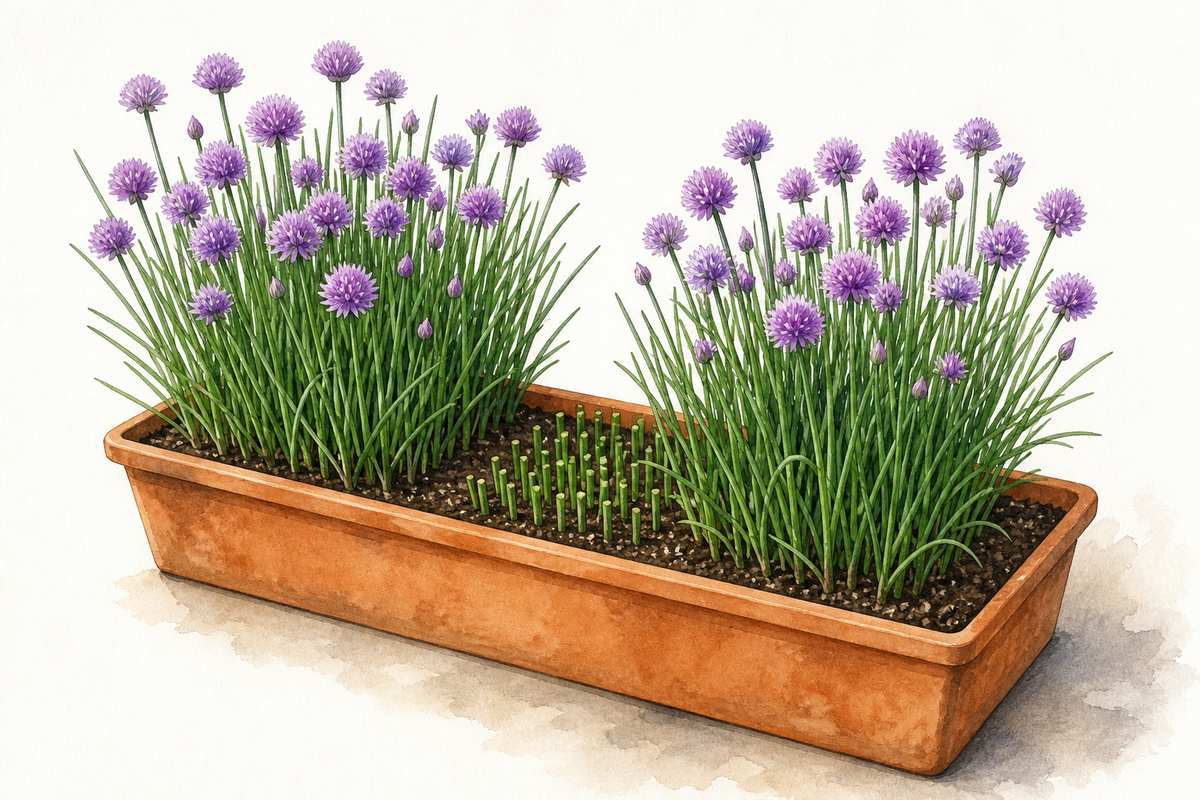
Common chives return from underground bulbs each spring and tolerate more shade than Mediterranean herbs. A 6- to 8-inch-deep pot can hold one clump, making chives useful where a heavy, oversized container is not practical. Aim for 4 to 6 hours of sun and keep the mix evenly moist while leaves are growing. Cut leaves about 2 inches above the soil rather than snipping only the tips; the clump will send up clean new growth. In Zone 8, foliage may disappear after frost even though the bulbs remain alive. Leave the dormant pot outside, water lightly during dry spells, and expect shoots in late winter or spring. Divide the crowded clump every 2 or 3 years so the leaves do not become thin.
6. Confine spearmint before it reaches another pot
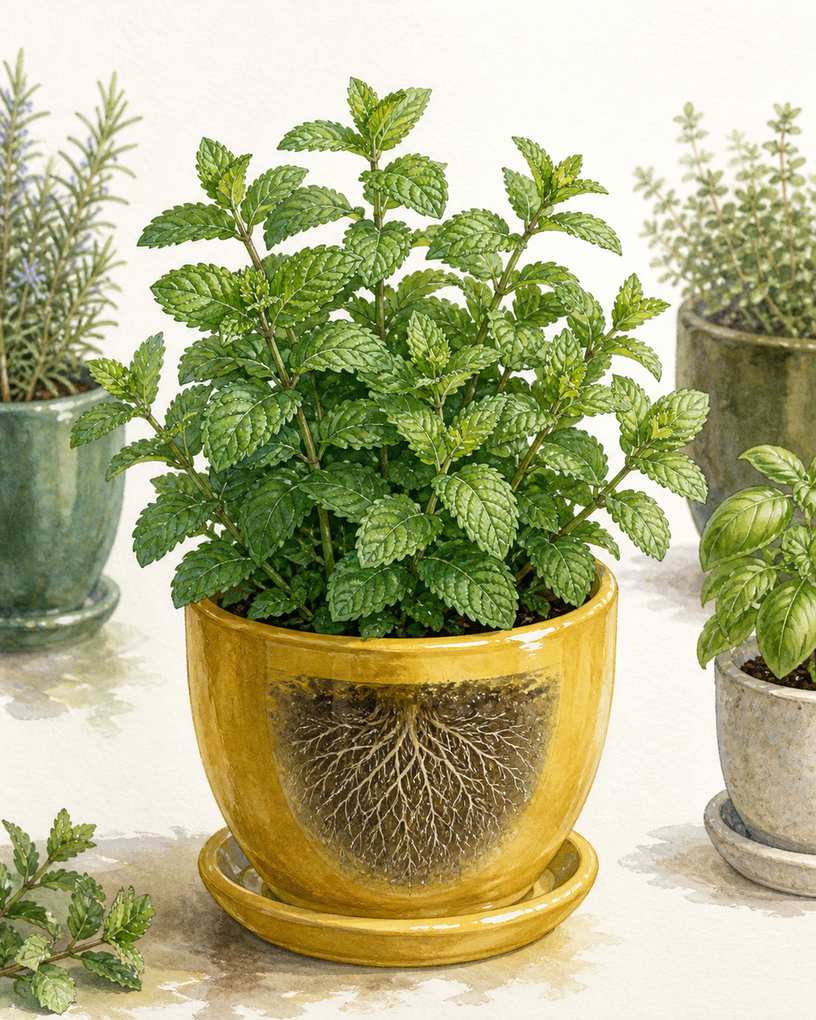
Spearmint is reliably perennial in Zone 8 and forgiving of partial sun, but it should never share an open planter with polite neighbors. Its underground runners can fill a mixed container in one season. Give it a dedicated 12-inch pot with no cracks or side openings, then place that pot on a saucer rather than directly on soil where escapees can root. Mint prefers 4 to 6 hours of sun and more consistent moisture than rosemary or thyme. Cut stems above a leaf pair whenever they reach 8 to 10 inches tall; regular harvesting keeps the plant bushy. The trade-off is yearly root control. Each spring, lift the clump, discard roughly half of the tangled roots, refresh the potting mix, and replant a smaller section.
7. Give lemon balm a movable container
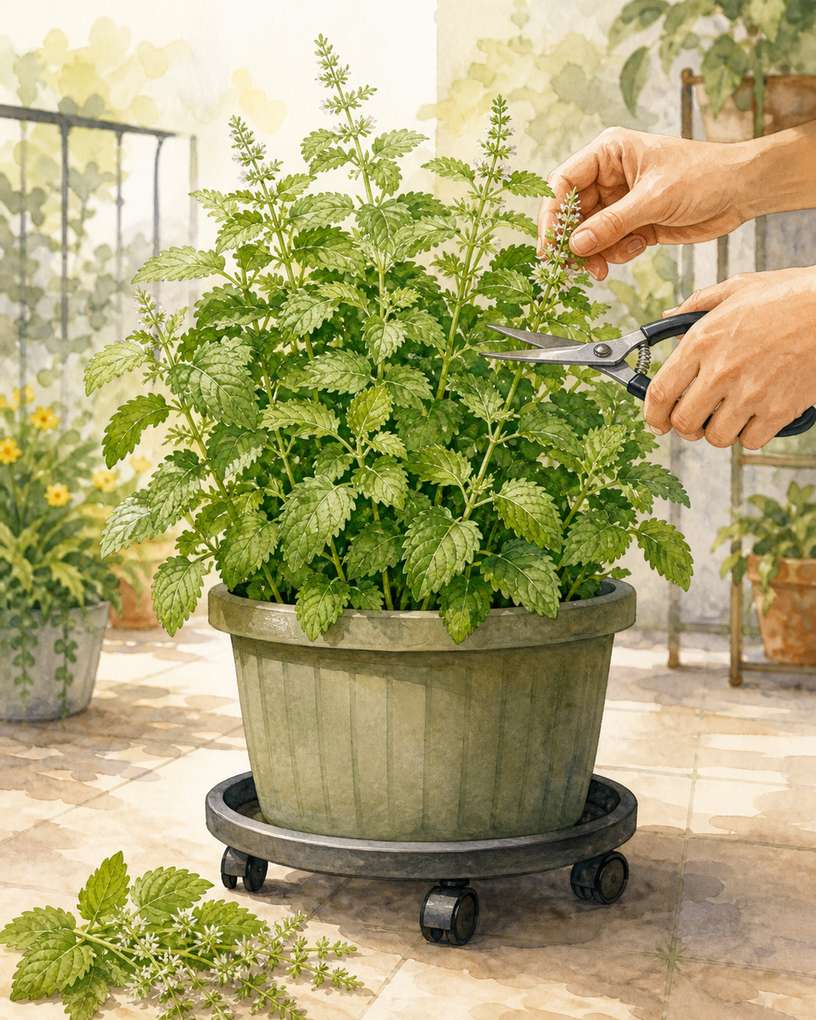
Lemon balm handles Zone 8 winters and produces fragrant leaves even with only 4 hours of direct sun. One plant needs a pot at least 12 inches wide because the clump expands quickly once warm weather arrives. Keep the soil moderately moist, especially on a hot balcony where containers dry from every side. Cut the whole plant back by one-third when stems become floppy, and remove flower heads before they scatter seed into neighboring pots. Lemon balm's main drawback is enthusiasm: it can outgrow a small container and self-sow through cracks in a patio. A lightweight resin pot on a rolling caddy makes division and cleanup easier. Split the root ball every 2 years, keeping one vigorous section and giving away or composting the rest.
8. Shelter French tarragon from wet winter soil
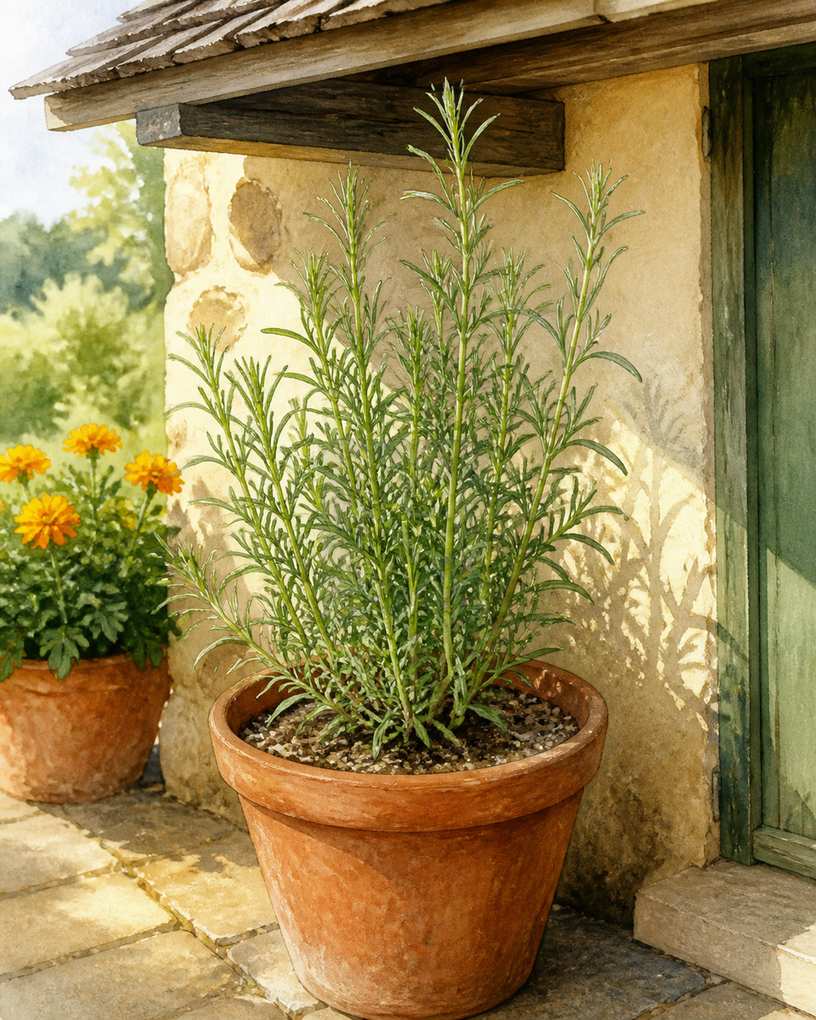
French tarragon provides the clean anise flavor cooks want, but buy a labeled plant rather than seed. True French tarragon rarely produces viable seed; packets usually contain less flavorful Russian tarragon. Use a 10- to 12-inch pot with fast-draining mix and morning sun, especially in the hotter parts of Zone 8 where afternoon heat can scorch tender growth. The plant may die back completely after frost and return from its roots in spring. Winter drainage is the weak point. Move the dormant pot under an eave where rain cannot saturate it, but do not bring it into a heated room. Divide the roots every 2 or 3 years to keep growth vigorous. Expect a shorter harvest during very hot, humid summers, when French tarragon often looks tired.
9. Use culinary lavender where summers stay breezy
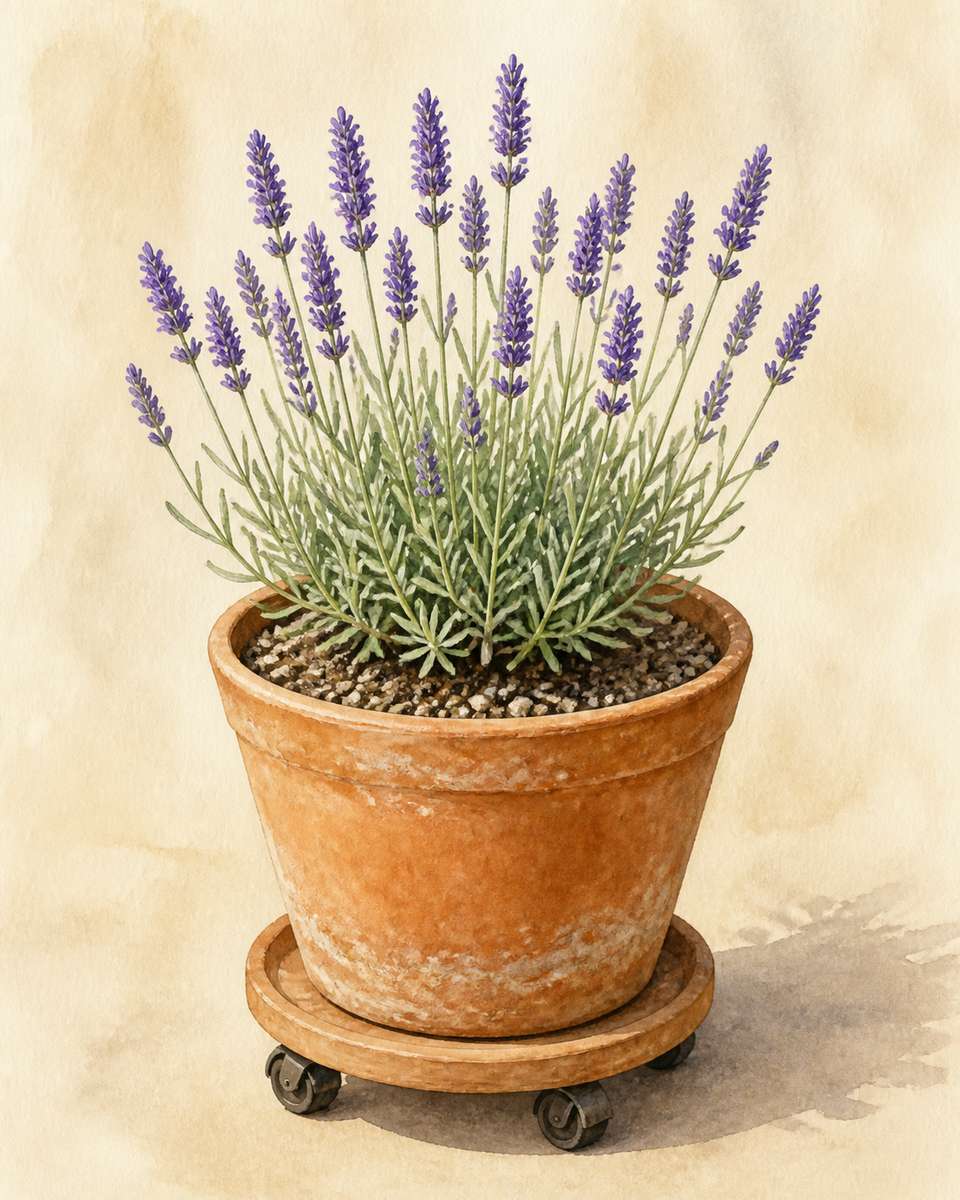
English lavender such as 'Munstead' or 'Hidcote' can live for years in a Zone 8 container and supplies edible flowers in modest amounts. Set one plant in a 12- to 16-inch unglazed terracotta pot, which dries faster than plastic after rain. Lavender wants at least 6 hours of sun, gritty soil, and open air around its crown. It struggles on humid, boxed-in balconies where leaves stay damp overnight. Water deeply, then wait until the upper 2 inches of mix feel dry. Trim spent flower stems and lightly shape green growth after blooming, but never cut hard into leafless wood. The pot may be heavy once watered, so check the balcony's rules and use a caddy before choosing thick ceramic. Replace plants that develop a split, woody center.
Common questions
- Can perennial herbs stay outside all winter in Zone 8 containers?
- Many can, but a pot does not insulate roots as well as the ground. Thyme, oregano, chives, mint, and lemon balm are usually dependable outdoors if drainage is good. Move rosemary, lavender, sage, and French tarragon against a sheltered wall during hard freezes, and cover or garage them when temperatures fall near or below 20°F. An unheated garage is safer than a warm living room.
- How large should containers be for perennial herbs?
- Most single herbs need a pot 10 to 14 inches wide. Lavender, mature rosemary, and sage may eventually need 14 to 16 inches, while chives can manage in a container only 6 to 8 inches deep. Bigger pots dry more slowly but weigh much more when wet, so check your lease, balcony rules, and building weight guidance before clustering several together.
- Which of these herbs can grow with less than full sun?
- Chives, spearmint, and lemon balm can produce useful harvests with about 4 hours of direct sun. French tarragon appreciates morning sun and afternoon protection in hot parts of Zone 8. Rosemary, thyme, oregano, sage, and lavender perform best with at least 6 hours; in weaker light they tend to become sparse, damp, or less flavorful.
- Do perennial container herbs need fresh potting soil every year?
- Not all of the soil needs replacing annually. Each spring, remove the loose top 1 to 2 inches and add fresh potting mix or a small amount of compost. Mint, lemon balm, chives, and French tarragon benefit from division every 2 or 3 years. Repot woody herbs when roots circle the pot or water runs straight through without soaking the mix.