9 Kid-Friendly Garden Ideas for Small Backyards Without a Full Lawn
A small backyard does not need a full lawn to give children room to explore, dig, snack, and play. These nine layouts pair compact play features with practical planting while keeping drainage, visibility, and maintenance in view.
1. Build a Three-Foot-Wide Paver Play Loop
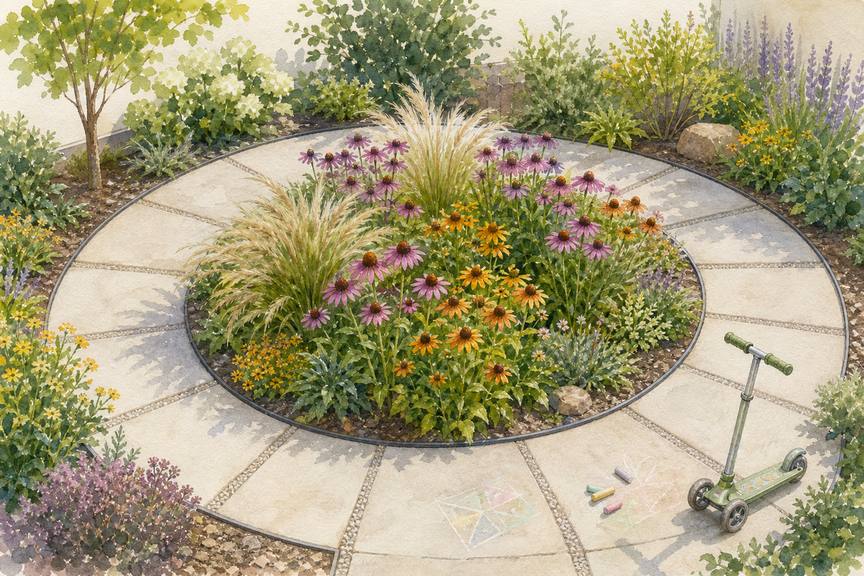
A looping path gives scooters, chalk, and toy trucks somewhere to travel without surrendering the yard to turf. Keep the route about 3 feet wide, using textured concrete pavers over 2 to 3 inches of compacted crushed stone; smooth porcelain gets slippery after rain. Leave a planted island in the middle with tough, visible plants such as dwarf fountain grass and coneflower. Dry-lay the pavers if you rent, but install a firm edge so pieces cannot shift under small wheels. The trade-off is heat: dark pavers can become uncomfortable in full afternoon sun. Choose pale colors, add a shade sail where permitted, and hose-test drainage before children use the loop.
2. Make a Mulch Play Patch With Planted Edges
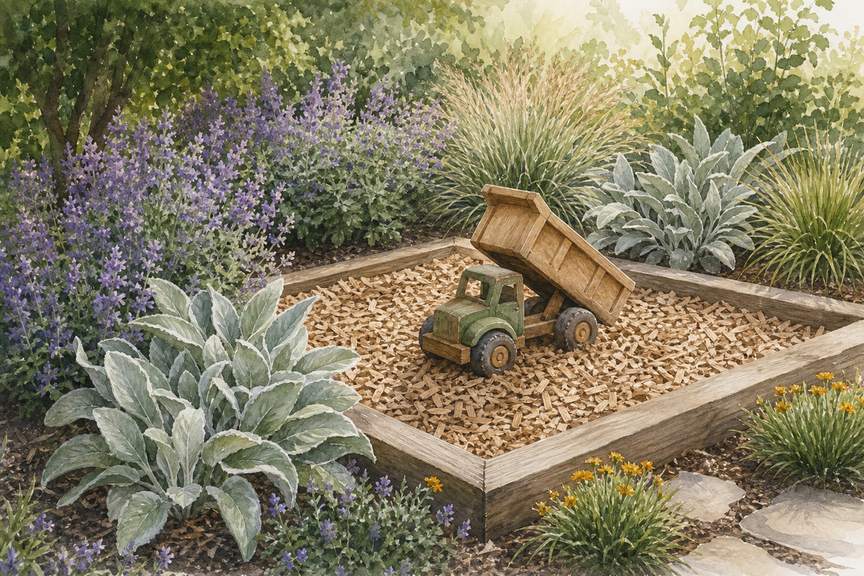
Instead of maintaining wall-to-wall grass, reserve a 6-by-8-foot rectangle for active play and cover it with 6 inches of engineered wood fiber or playground-rated wood chips. Ordinary decorative mulch may contain sharp pieces, dyes, or construction debris, so check the bag label before buying. Frame the patch with low beds of lamb's ear, catmint, and compact ornamental grasses, keeping prickly or toxic plants out of reach. Timber edging should sit flush with the surrounding path to reduce trips. Wood chips migrate and decompose, which means raking them back weekly and topping up every year or two. Place a permeable landscape fabric beneath the chips only if it drains freely and does not create puddles.
3. Line a Sensory Path With Sturdy Herb Pots
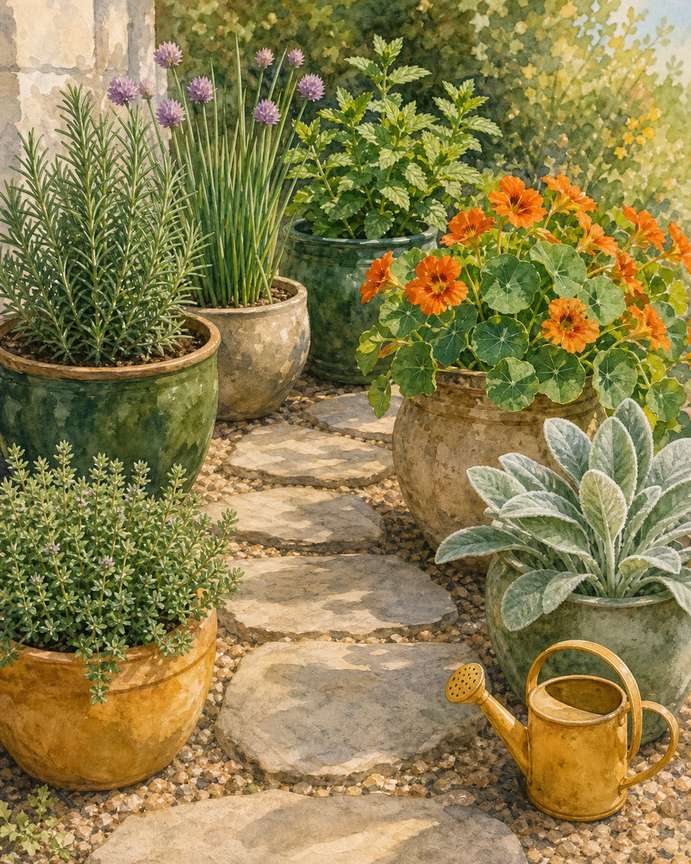
Set six to eight heavy pots beside a short stepping-stone path so children can smell, touch, and taste plants without trampling a bed. Good candidates include lemon thyme, spearmint, rosemary, chives, nasturtium, and fuzzy lamb's ear; keep mint in its own container because it spreads aggressively. Use pots at least 12 inches wide with drainage holes, and choose broad-based resin or terracotta designs that resist tipping. Terracotta is heavier but can crack in freezing winters, while lightweight resin may need a brick placed inside the base. Avoid foxglove, oleander, castor bean, and any plant you cannot confidently identify as safe. Adults should still supervise tasting, especially where pesticides, pets, or neighborhood wildlife visit.
4. Grow a Bean Tunnel Between Two Raised Beds
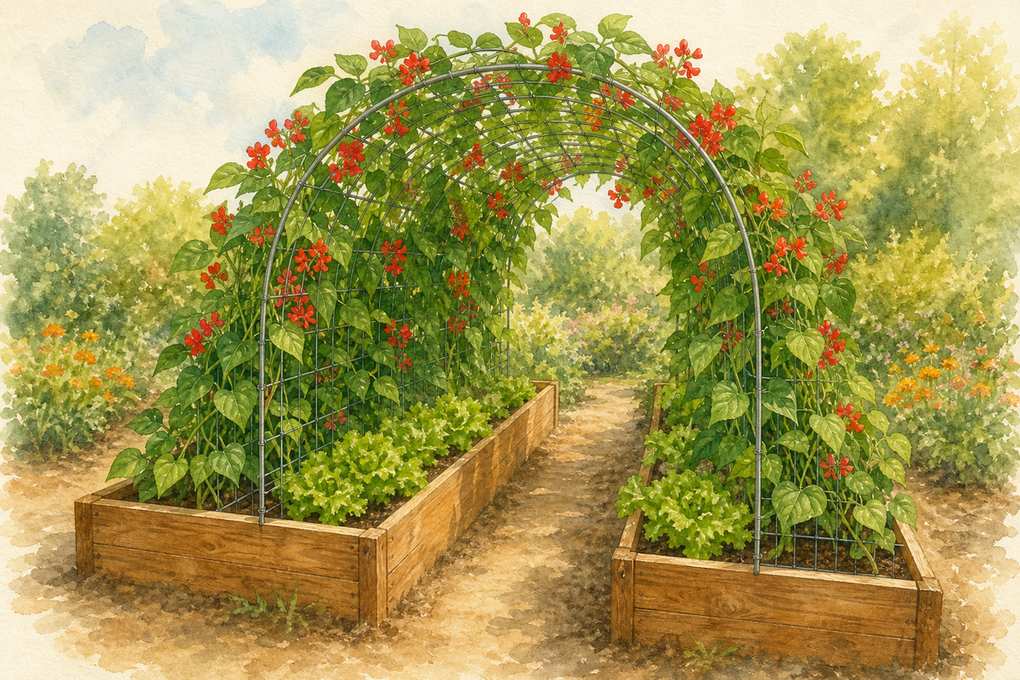
An edible tunnel combines a hideaway with vertical growing space. Place two narrow raised beds 30 to 36 inches apart and bend a 4-by-8-foot cattle panel between them, securing every corner with heavy-duty clips or wire covered by protective caps. Sow scarlet runner beans in cool summers or yardlong beans where summers stay hot; both need roughly 6 hours of direct sun for reliable production. Keep the tunnel short enough that an adult can see through it, and check monthly for loose wire or sharp ends. The structure casts shade as vines fill in, so plant lettuce or woodland strawberries near the inner edges. Expect daily harvesting at peak season, or mature pods will become tough and vines may overwhelm the walkway.
5. Add a Mud Kitchen Beside a Washable Herb Trough
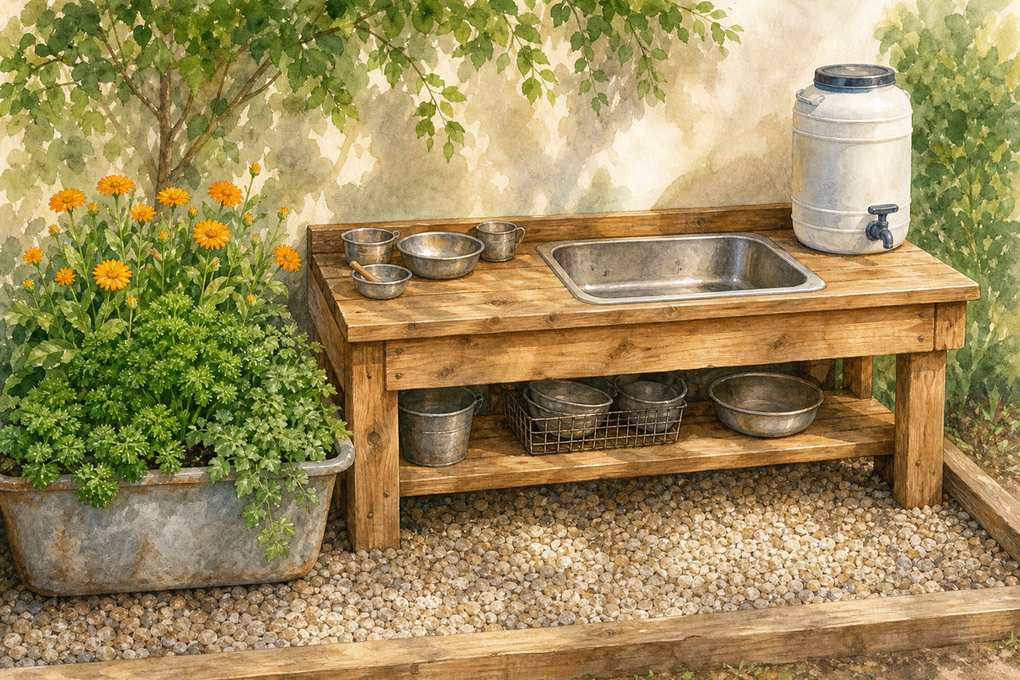
A simple mud kitchen can occupy one 4-foot fence section and turn routine garden mess into purposeful play. Use a secondhand stainless-steel sink set into a sealed outdoor bench, but skip connected plumbing; one removable 2-gallon water dispenser is easier to monitor and empty. Put a waist-high trough nearby with parsley, oregano, and calendula for supervised pretend recipes. Set both on pea gravel contained by rigid edging, with a slight slope away from the house. Pea gravel is not suitable for children who still mouth small objects, so use compacted wood chips instead for that age group. Empty standing water after every session, sand splintered wood promptly, and store real pruning tools somewhere locked rather than in the play utensils.
6. Plant a Mini Meadow Behind a Low Boundary
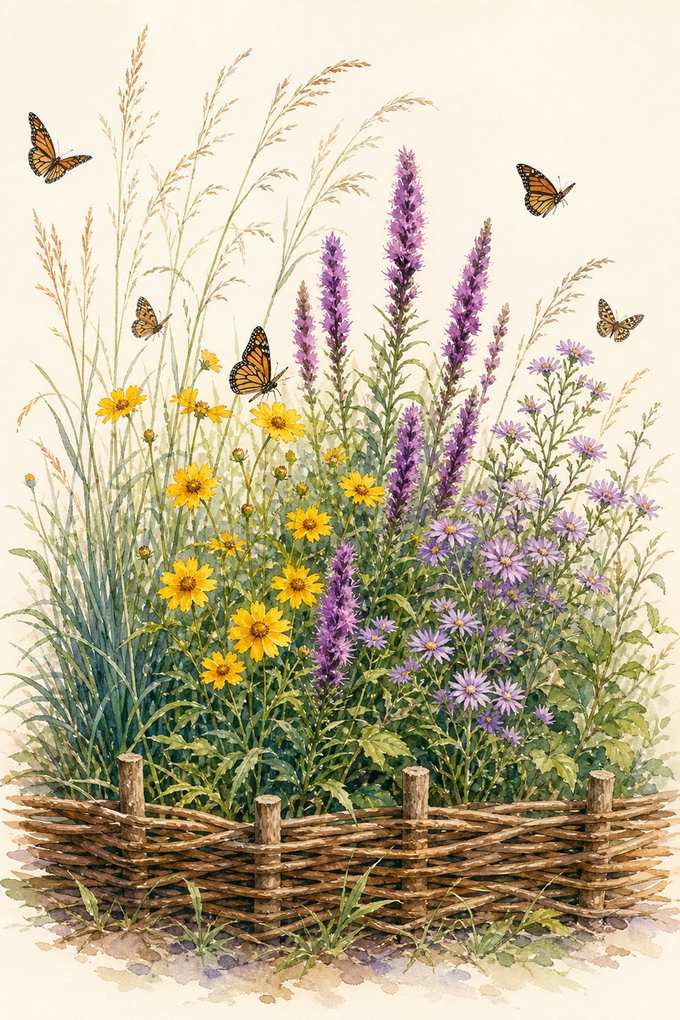
A 3-by-6-foot meadow patch brings butterflies and seed heads into a tiny yard without putting buzzing insects directly beside the main play route. Mark the area with an 18-inch willow hurdle or a line of large stones, then plant compact, region-appropriate choices such as little bluestem, coreopsis, blazing star, and aromatic aster. Buy straight species from a local native nursery when possible, because the right plants vary sharply by region. Meadows look sparse during their first season and untidy in winter; that is habitat, but it may bother an HOA or neat-minded neighbor. Cut stems back to 8 to 12 inches in late winter, not fall, and teach children to watch pollinators without grabbing flowers or insects.
7. Create a Strawberry Picking Station in Tiered Planters
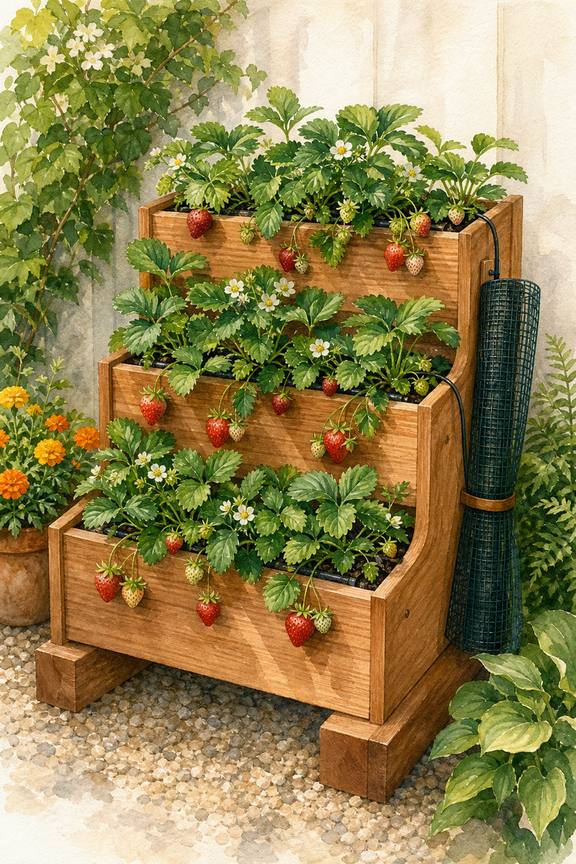
A freestanding three-tier planter puts fruit at child height while using less than 3 square feet of ground. Plant day-neutral strawberries such as 'Seascape' or 'Albion' for repeated harvests, spacing crowns about 8 to 10 inches apart and keeping each crown level with the soil surface. Position the unit where it receives at least 6 hours of sun, then anchor it against tipping with a wide base or rear ballast. Tiered containers dry from the top down, so check the upper pocket daily during hot weather and use a drip line if outdoor watering rules allow. Birds and squirrels may reach the berries first; lightweight insect mesh helps, but it must be clipped tightly so children and wildlife cannot become tangled.
8. Build a Willow Den That Doubles as Living Shade
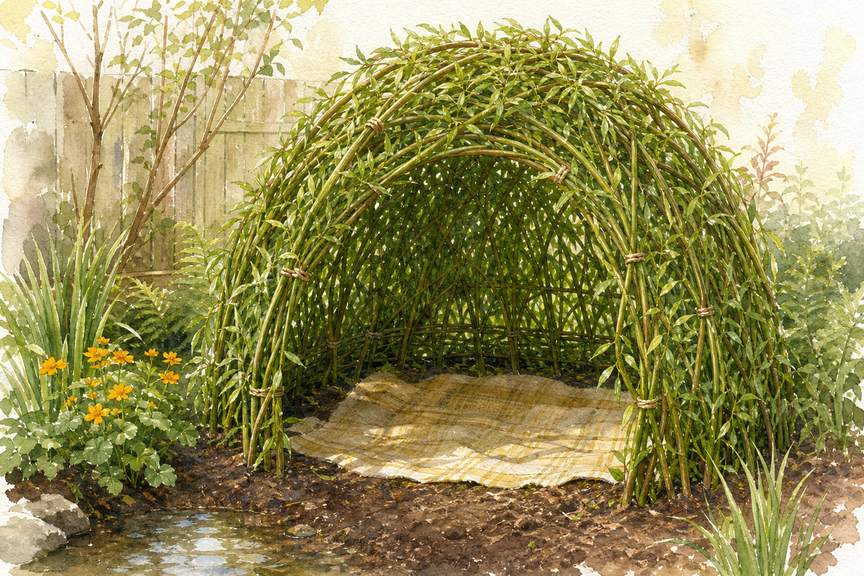
A living willow den creates a leafy retreat in a circle only 5 to 6 feet across. Push long dormant willow rods about 12 inches into consistently moist soil, spacing them 8 to 10 inches apart, then bend and tie the tops with soft horticultural tape. This idea suits sunny, damp yards; willow struggles in dry containers and its roots should stay well away from drains, foundations, and sewer lines. Choose flexible basket willow from a reputable supplier rather than cutting unknown roadside trees. New shoots need weaving several times each summer, and the structure can outgrow its footprint quickly if ignored. Keep the entrance broad, remove broken stems immediately, and never use wire ties where children may brush against them.
9. Train Thornless Berries Along the Back Fence
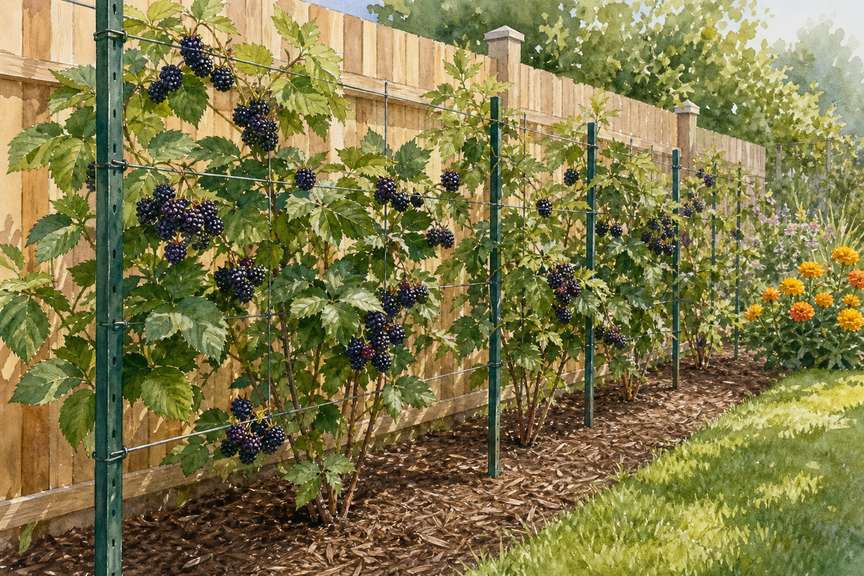
A narrow berry border turns an underused fence line into a snack garden without adding thorns at eye level. Choose a thornless blackberry such as 'Triple Crown' or a compact raspberry such as 'Raspberry Shortcake', allowing roughly 3 feet per plant. Install a freestanding wire trellis 12 inches in front of the fence if drilling is prohibited, and keep the lowest wire above knee height to reduce tripping and tangling. Most cane berries fruit best with 6 to 8 hours of sun and evenly moist soil. The downside is pruning: spent blackberry canes must be removed after fruiting, while raspberry instructions depend on whether the variety is summer-bearing or everbearing. Birds also love the crop, so expect to share unless you use securely fastened netting.
Common questions
- What is the safest ground surface for a small child-friendly backyard?
- For active play, use 6 inches of engineered wood fiber or playground-rated wood chips over well-drained soil. Pavers work for wheeled toys when they are level, textured, and firmly edged. Pea gravel is easy to drain but is a choking concern for children who still put objects in their mouths.
- How much sun does an edible children's garden need?
- Beans, strawberries, blackberries, and most fruiting crops perform best with at least 6 hours of direct sun. With 3 to 5 hours, focus on leafy crops, parsley, chives, mint, and woodland strawberries, accepting a smaller harvest. Observe the yard in both spring and midsummer because nearby buildings and trees change the light.
- Which plants should be avoided around young children?
- Avoid highly toxic plants such as oleander, castor bean, foxglove, monkshood, and yew where children play. Thorny canes, spiny agaves, and plants that cause strong skin irritation also belong outside the play zone. Confirm every unfamiliar plant through a reliable extension-service or poison-control resource rather than relying on appearance.
- How can renters make these ideas reversible?
- Use dry-laid pavers, broad-based containers, freestanding trellises, and raised beds with bottoms rather than digging permanent foundations. Protect paving with pot feet and keep drainage from running toward neighboring property. Before adding a shade sail, tall structure, or fence attachment, check the lease and local rules because wind loads and permitted fasteners vary.