9 Shallow-Rooted Vegetables for Vertical Planters on Tight Budgets
Deep planter pockets cost more, weigh more, and can strain a balcony wall or railing. These nine vegetables produce useful harvests in 4- to 10-inch soil depths, with honest notes on light, watering, and where saving money causes trouble.
1. Cut-and-Come-Again Leaf Lettuce
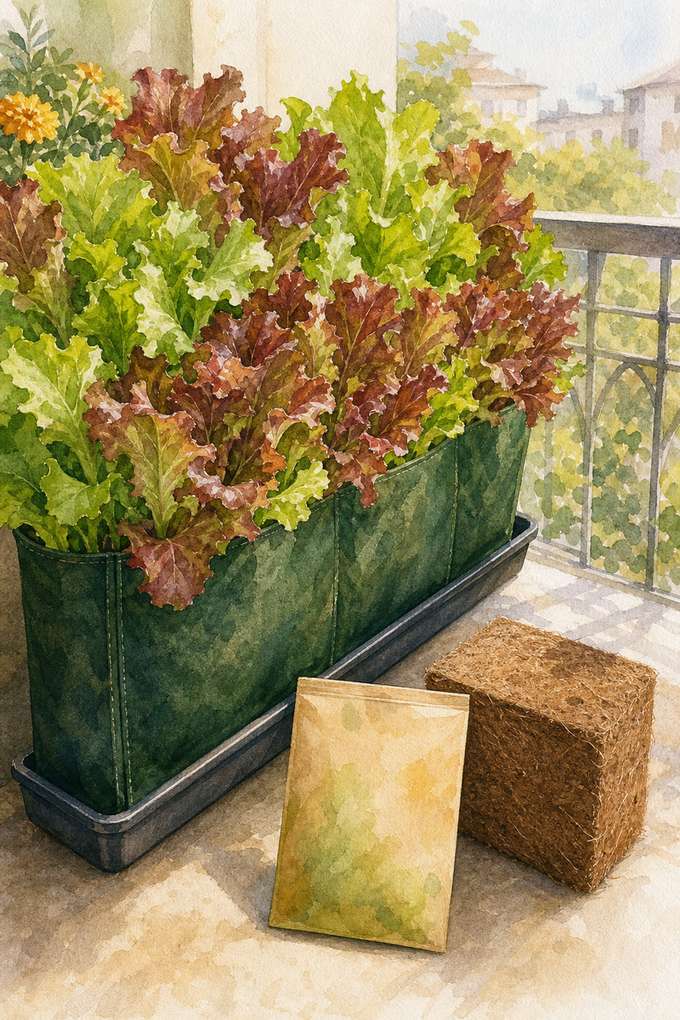
Loose-leaf lettuce earns its spot because you harvest outer leaves rather than waiting for one large head. Fill a 6- to 8-inch-deep pocket with potting mix, then sow varieties such as Black Seeded Simpson or Red Sails about 4 inches apart. Lettuce tolerates four to six hours of sun, which makes it useful on an east-facing balcony, but hot afternoon light can turn the leaves bitter. A $2 seed packet will supply several sowings; start a short new row every two weeks instead of planting the whole packet. Shallow pockets dry quickly, so check them each morning. If water runs straight through, mix in coconut coir rather than garden soil, which becomes heavy and compacted.
2. Fast-Growing Round Radishes
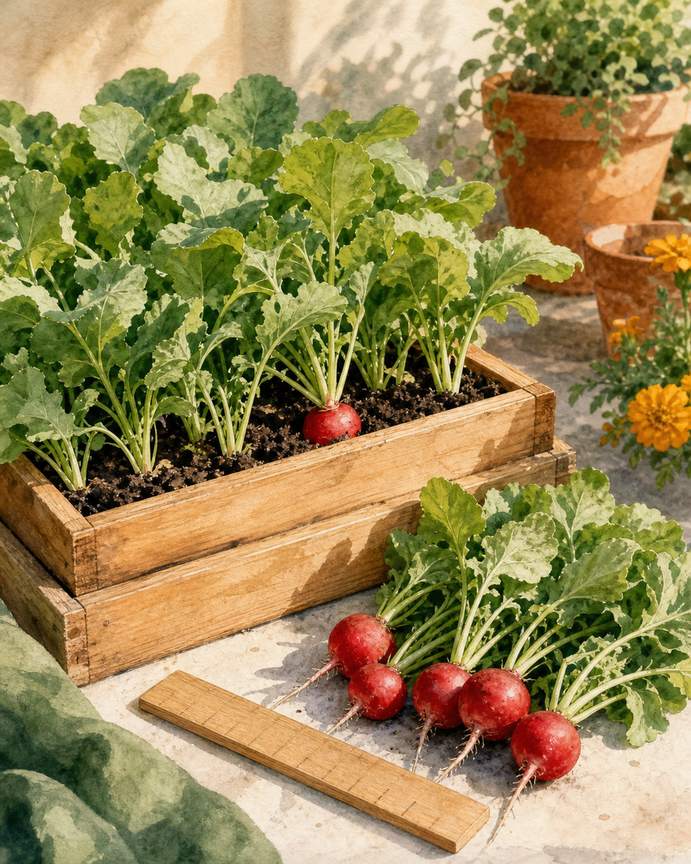
Round radishes give you edible roots without demanding a deep container. Choose Cherry Belle, Easter Egg, or another globe-shaped type and provide 6 to 8 inches of soil; long daikon radishes are a poor match here. Sow seeds roughly 1 inch apart, then thin seedlings to 2 inches so the roots can swell. Most spring radishes are ready in about 25 to 35 days, making one inexpensive packet useful for repeated small batches. The catch is moisture: a dry spell followed by heavy watering can split the roots, while warm weather makes them pithy. Use an upper or middle tier with at least six hours of sun, and harvest promptly once the shoulders reach about 1 inch across.
3. Peppery Arugula in the Shadiest Tier
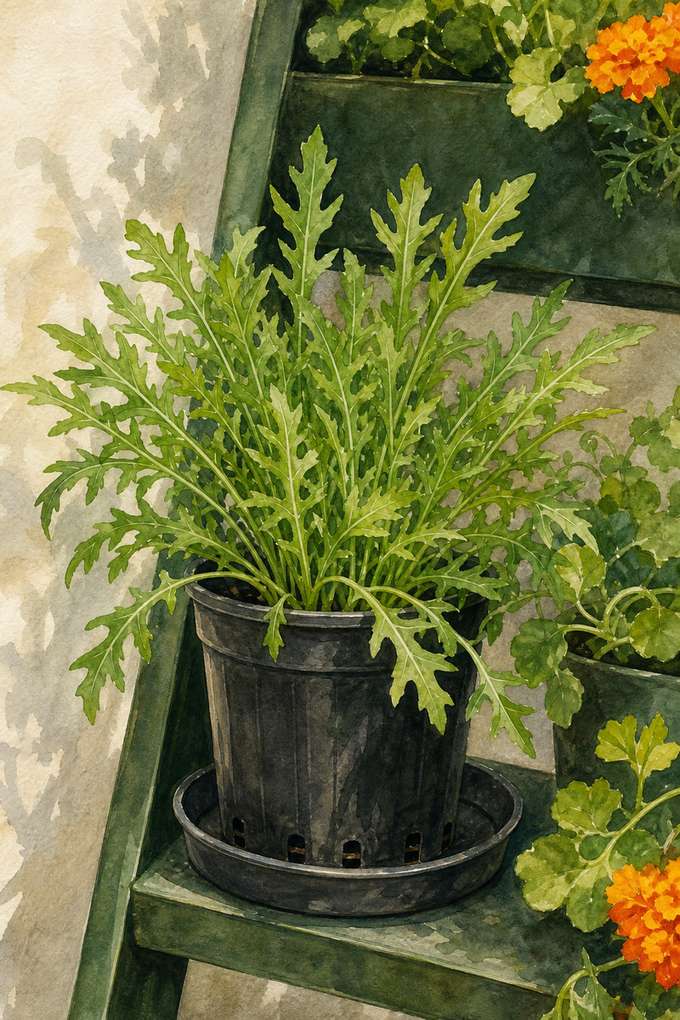
Arugula grows comfortably in a 6-inch-deep pocket and can use a lower tier that receives only four or five hours of direct sun. Sow seeds thinly, then leave about 3 inches between plants for baby-leaf harvests. Cut leaves when they reach 3 to 4 inches, keeping the central growing point intact for another round. Slow Bolt and Astro stay usable longer than many unnamed seed-rack varieties, though no arugula loves midsummer heat. Once temperatures climb, it may flower and become sharply bitter within days. That short season is the trade-off. Spend on fresh potting mix rather than a fancy container; a cleaned nursery pot secured inside a sturdy shelf works fine if excess water can escape.
4. Baby Spinach for Cool-Weather Harvests
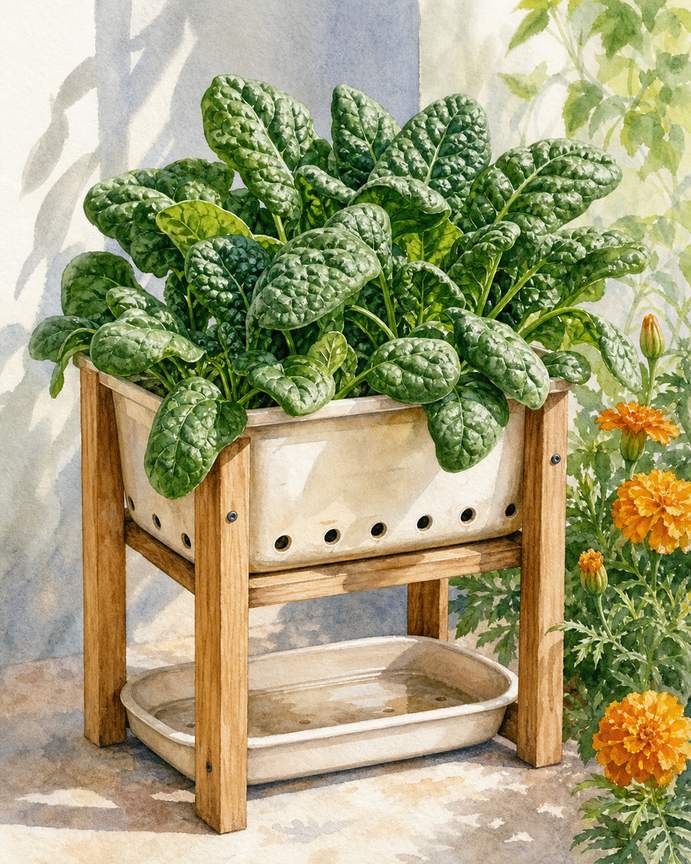
Baby spinach needs only 6 to 8 inches of mix when you harvest the leaves young. Space Bloomsdale or Space spinach about 3 inches apart and place it where it receives four to six hours of sun. An early-spring or fall planting usually performs better than a summer one; heat and long days trigger bolting, and a vertical wall can trap extra warmth. Cut individual leaves at 3 to 5 inches instead of pulling the plant, but expect production to slow after several harvests. Spinach also dislikes alternating between soggy and bone-dry soil. A recycled plastic food tub can serve as a planter if it is food-safe and has several drainage holes, though thin plastic may need support to keep it from bowing outward.
5. Scallions Regrown Once, Then Replanted
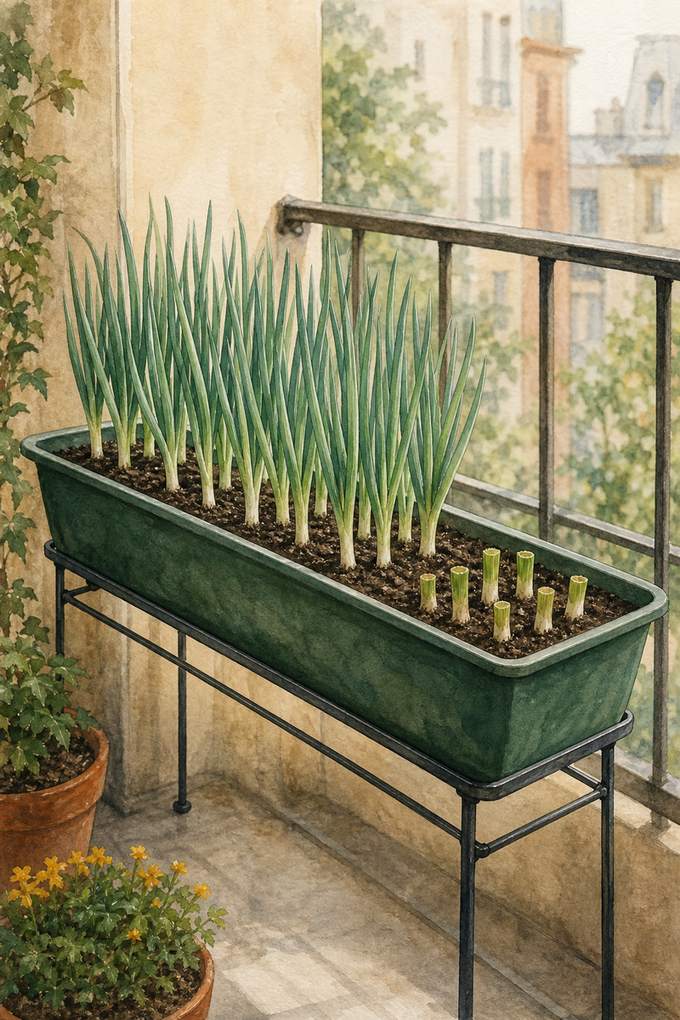
Scallions fit narrow vertical pockets because they grow upright and need only about 6 inches of soil. Plant White Lisbon seeds 1 inch apart, or set grocery-store scallion bases into fresh mix after using the tops. Regrown bases can supply another cutting or two, but they usually weaken, so they are a temporary bargain rather than an endless free crop. Give them at least five hours of light and keep the soil evenly damp. Harvest alternate stalks once they reach pencil thickness, leaving their neighbors room to grow. Avoid packing twenty bulbs into one tiny pocket for a lush photo; crowded scallions stay thin and invite rot around the base. A 24-inch window box mounted on a freestanding rack can hold two short, practical rows.
6. Compact Baby Bok Choy
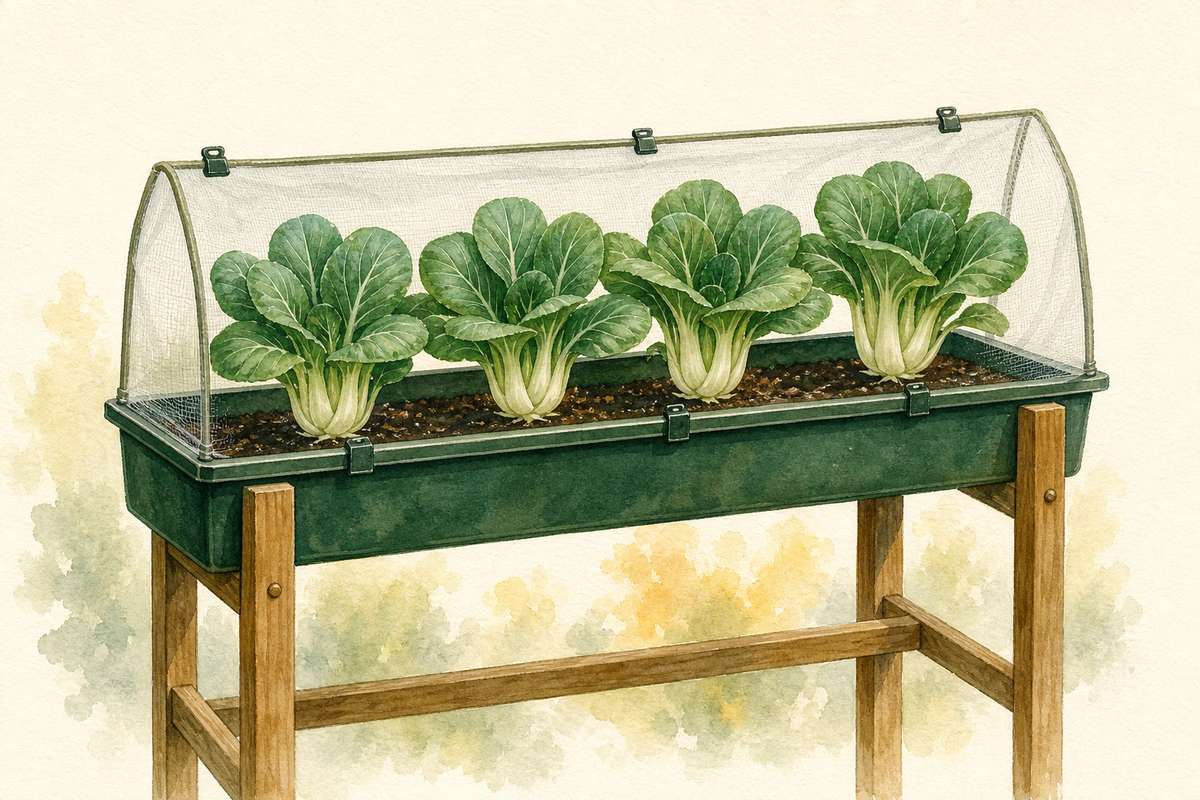
Baby bok choy gives you crisp stems and leaves from an 8-inch-deep tier without the bulk of full-size cabbage. Look for Toy Choy or another compact cultivar and space plants 5 to 6 inches apart; a 24-inch trough should hold only four plants. Bok choy grows best with five or more hours of sun in cool weather. Flea beetles can pepper the leaves with holes, especially in spring, so a piece of inexpensive insect mesh is more useful than a decorative planter upgrade. Secure the mesh to the rack rather than letting it rest on the foliage. Harvest whole heads while they are small, usually around 30 to 45 days from sowing. In warm weather, plants may bolt before forming the tidy heads shown on seed packets.
7. Baby Beets Grown for Roots and Greens
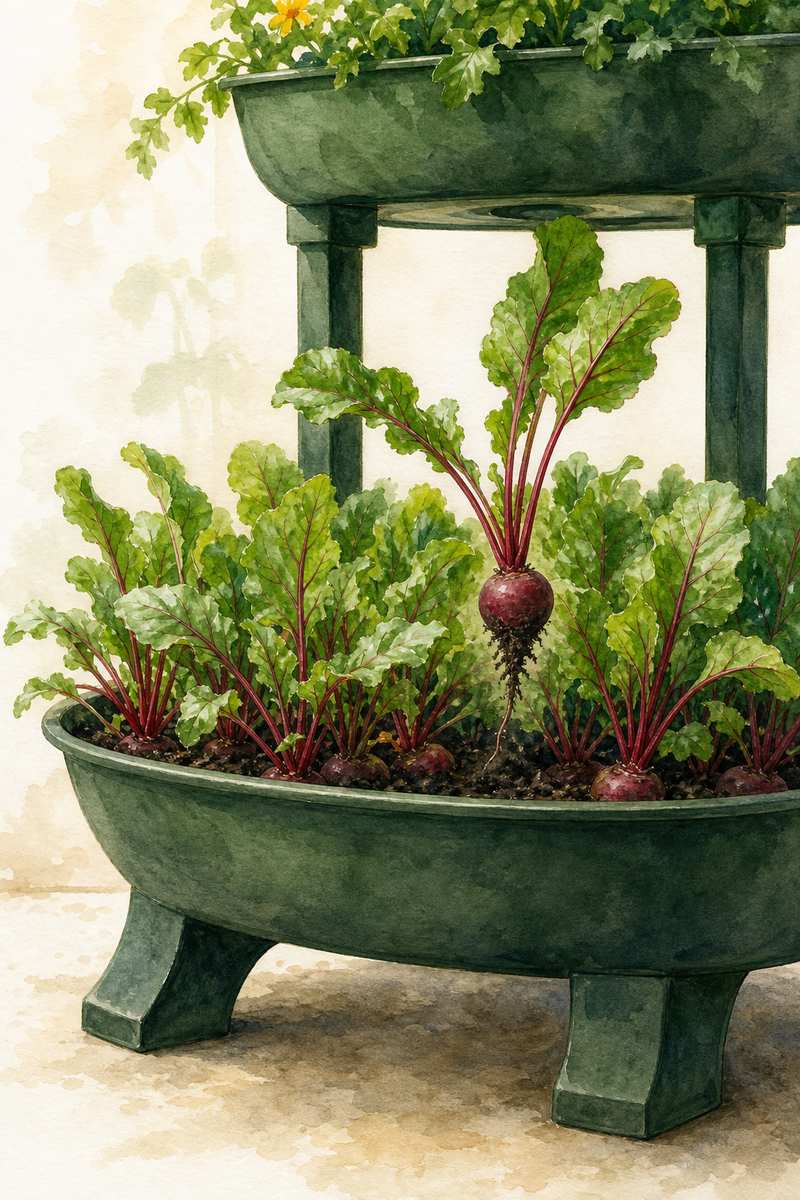
Baby beets make a shallow planter do double duty: you can snip a few leaves for salads and still harvest small roots. Use an 8- to 10-inch-deep tier and choose Early Wonder Tall Top or Detroit Dark Red. Each wrinkled beet seed is usually a cluster, so thin the seedlings to one plant every 3 inches after they emerge. Skipping that job produces plenty of leaves but few usable roots. Six hours of sun is ideal, although the greens tolerate somewhat less. Pull the beets when the roots are about 1 to 2 inches wide rather than waiting for grocery-store size. The deeper tier will be one of the heaviest when wet, so keep it near the bottom of a freestanding unit and verify that the frame cannot tip.
8. Dwarf Kale Harvested Leaf by Leaf
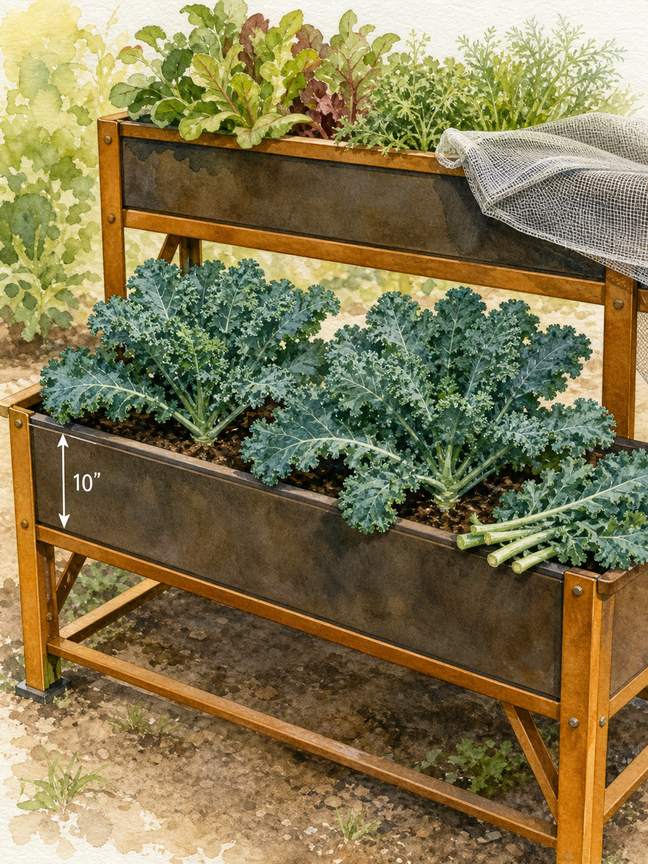
Dwarf kale is slower than lettuce but keeps producing after light frosts. Dwarf Blue Curled or Prizm can grow in a 10-inch-deep container, provided each plant gets roughly 8 to 10 inches of horizontal space. Put this heavier tier low on the frame and harvest the oldest outer leaves once they reach hand size. Kale wants at least six hours of sun for sturdy growth, though afternoon shade helps where summers are hot. Cabbage worms are the usual nuisance; check leaf undersides twice a week or cover the plants with insect mesh before white butterflies appear. One warning for bargain hunters: kale remains in its pocket for months, so exhausted reused potting mix needs compost or a measured container fertilizer rather than wishful thinking.
9. Pea Shoots Instead of Full-Size Peas
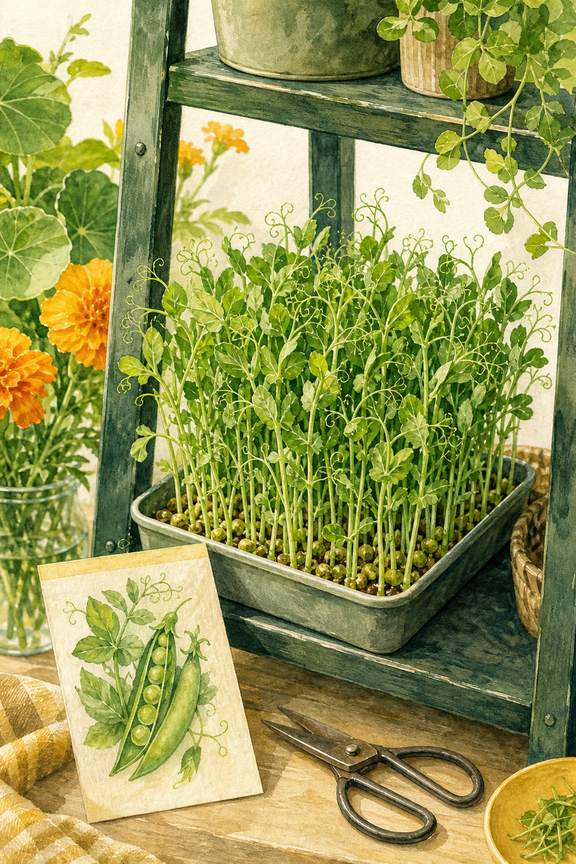
Pea shoots provide sweet pea flavor without asking a shallow pocket to support mature vines. Fill a 4- to 6-inch-deep tray with potting mix, sow untreated dwarf pea seed about 1 inch apart, and cut the shoots when they reach 4 to 6 inches tall. They can regrow once, but the second harvest is usually smaller. Four hours of bright light is enough, so this crop can occupy a lower shelf that would not ripen tomatoes or peppers. Do not expect pods: plants kept this crowded and clipped are a greens crop. Pea seed is larger and costs more per sowing than lettuce seed, but dried food peas should not be substituted unless the package specifically says they are untreated and suitable for sprouting or planting.
Common questions
- How much does a filled vertical planter weigh?
- Moist potting mix commonly weighs about 20 to 30 pounds per cubic foot, before adding the frame, plants, and stored water. Calculate each pocket's volume, include the planter itself, and compare the total with the manufacturer's rating. Balcony, railing, and wall limits are building-specific, so ask your landlord or building manager rather than guessing.
- How deep should a vertical planter be for these vegetables?
- Use 4 to 6 inches for pea shoots, about 6 to 8 inches for lettuce, arugula, spinach, scallions, radishes, and baby bok choy, and 8 to 10 inches for baby beets or dwarf kale. Measure the usable soil depth, not the outside height of a pocket with a sloped bottom.
- How often will shallow planter pockets need water?
- Check them daily by pushing a finger about 1 inch into the mix. In hot or windy weather, a 6-inch pocket may need water every day; in cool weather it may go two or three days. Water until a little drains out, but empty shared catch trays so lower plants do not sit in runoff.
- Can these vegetables stay outside through winter?
- Spinach, kale, arugula, scallions, and some lettuces tolerate light frost, but roots in shallow containers freeze faster than roots in the ground. Move portable tiers beside a sheltered wall or wrap the container when a hard freeze is forecast. Exact survival depends on the cultivar and USDA zone, so check the seed packet and your local frost dates.